Category Archives : 1st Grade


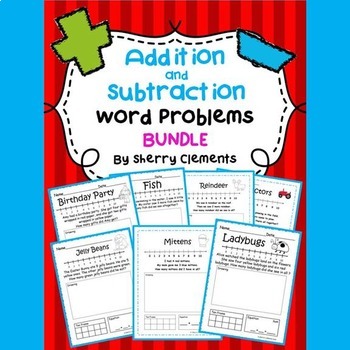
Addition and Subtraction Word Problems BUNDLE

Addition and Subtraction Word Problems BundleAddition and Subtraction Word Problems BUNDLE


You can find this resource HERE!

Save 10% when purchasing the Addition Word Problems BUNDLE or Subtraction Word Problems BUNDLE below or save 15% when purchasing this addition and subtraction bundle which includes all of these addition and subtraction sets listed below.

This bundle includes the following addition and subtraction word problem sets which are also SOLD INDIVIDUALLY! To see a PREVIEW, click on the individual links below.

Addition Word Problems (January) 12 pages
Addition Word Problems (February) 12 pages
Addition Word Problems (March) 17 pages
Addition Word Problems (Easter) (for April) (missing addends, 2 addends & 3 addends) 17 pages
Addition Word Problems (May) 23 pages
Addition Word Problems (June) 24 pages
Addition Word Problems (September) 9 pages
Addition Word Problems (October) 9 pages
Addition Word Problems (November) 9 pages
Addition Word Problems (December) 13 pages
Addition Word Problems (Farm Stories) 9 pages
Addition Word Problems (Ocean Stories) 10 pages

Subtraction Word Problems (Common Core) 6 pages
Subtraction Word Problems (January) 12 pages
Subtraction Word Problems (February) 17 pages
Subtraction Word Problems (March) 17 pages
Subtraction Word Problems (Easter) (April) 17 pages
Subtraction Word Problems (May) 24 pages
Subtraction Word Problems (June) 25 pages
Subtraction Word Problems (September) 9 pages
Subtraction Word Problems (October) 9 pages
Subtraction Word Problems (November) 9 pages
Subtraction Word Problems (December) 9 pages

Addition word problems in this packet are correlated to common core standard MCCKOA 2. There are 166 pages including covers and back pages of each set. Each page contains one addition word problem to solve. There is a number line for students to use to solve the problem. An empty box is available for students to draw the matching picture for the word problem. There is also a ten frame box for students to use for counters or for drawing or coloring in the boxes and an equation box containing blanks, a plus sign, and an equals sign.

Subtraction word problems in this packet are correlated to common core standard MCCKOA 2. There are 156 pages including covers and back pages of some sets. Each page contains one subtraction word problem to solve. There is a number line for students to use to solve the problem. An empty box is available for students to draw the matching picture for the word problem. There is also a ten frame box for students to use for counters or for drawing or coloring in the boxes and an equation box containing blanks, a minus sign, and an equals sign.

This addition and subtraction word problems pack is great for DIFFERENTIATING for your student needs. Having a variety of strategies to solve the word problems is great when conducting math groups of different ability levels. Lower level students may only draw a picture while higher level students may solve the problem using all 4 strategies.

You may also like:
Addition Word Problems BUNDLE
Subtraction Word Problems BUNDLE
Morning Work Bundle (January-June) Kindergarten
Morning Work Bundle (July-December)
Emergent Reader Bundle A-Z (26 Books)
Scrambled Sentences Bundle
Beach Read and Write
Plant Read and Write
Morning Work – Kindergarten – May
Emergent Reader: Let’s Plant!
Zoo Animal Math and Literacy Unit
Read and Write Bundle 1
Reading Comprehension Bundle

Visit me at:
BLOG
FACEBOOK PAGE
PINTEREST
TPT STORE

Thanks for stopping by!

Sherry Clements


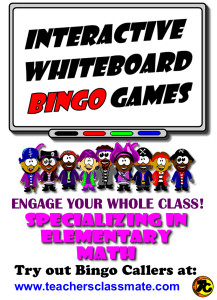
Math Bingo Games for Interactive Whiteboards

whiteboard2

Use online bingo callers to draw question cards
and display called answers while
your students play along
with their own bingo cards.
Try any bingo caller out for
free at:

A post to pass on to parents: Reading and writing through play!

Reading and writing through play!


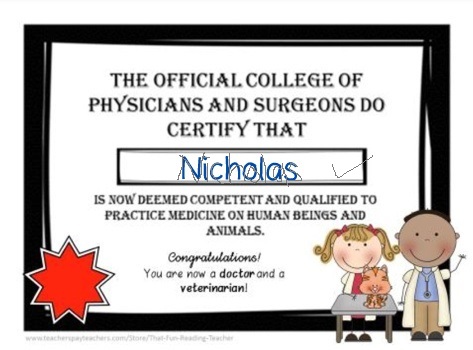
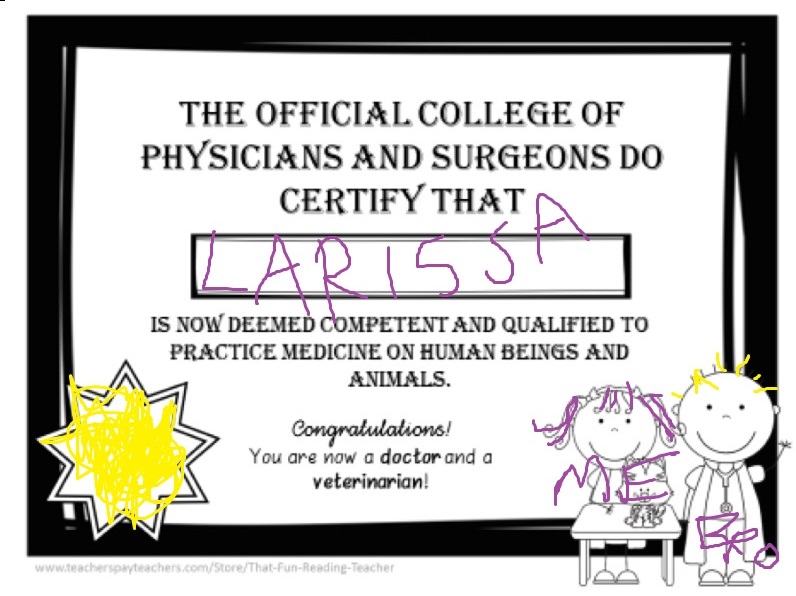
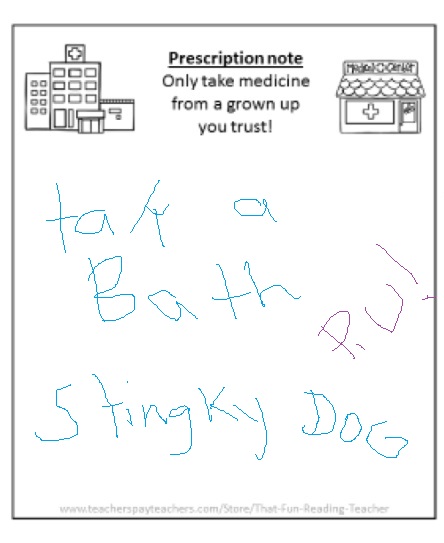
Do you have a child who loves animals, may wish to be a veterinarian or doctor, and could use a little practice or writing his or her name? (Not that you would ever mention it…)


IMG_7786.PNG - Copy IMG_7792.PNG - Copy

How about one who does not see the point in learning to read or write, but has a fantastic imagination?


IMG_7787.PNG - Copy IMG_7785.PNG - Copy

A sociable child with boundless energy, an interest in the law, perhaps, and exploring roles?


IMG_7785.PNG - Copy (2)(Photos not included!)  B&w badge and licence also included!IMG_7788.PNG - Copy

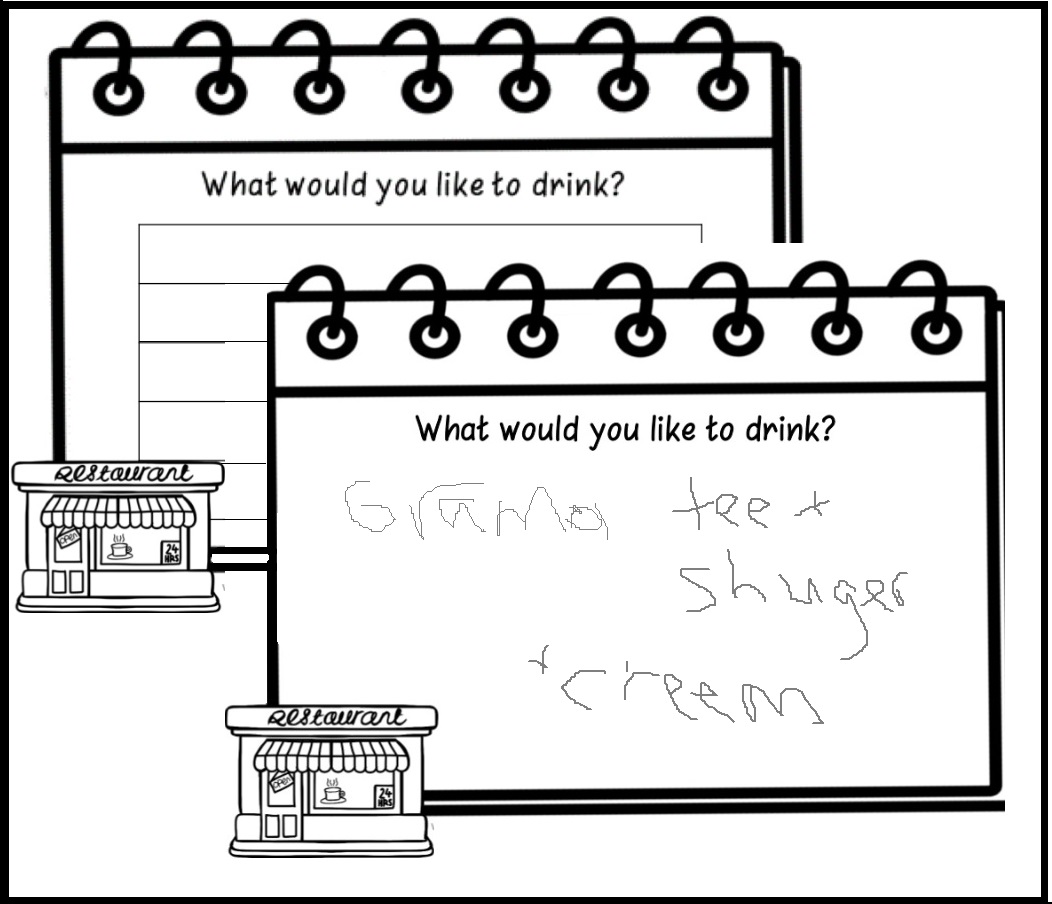
Maybe you have a child that likes to pretend to be grown-up sometimes, and receive the praise self-esteem boost that goes with it. I admit to feeling very important as a ‘waitress’ at summer BBQs growing up. (My brothers preferred to be ‘bartenders’). It was always more official and fun with a notepad in hand.

IMG_7790.PNG


And once the drinks are handed out, someone is bound to start telling stories. Perhaps your child is a fan of pirates, or a natural storyteller?

IMG_7791.PNG


The child in this post could be any child.

Children learn without even realizing it through play, and read and write for real purposes .

We learned this way when we were kids. We played. We helped out. We didn’t have the electronic distractions of today.

The templates above (and a few more) have been designed for today’s more discerning audience in a product called Summer Fun: Reading and writing through play. It is included in a bundle with another Writing for Real Purposes product: Fun Summer Lists, which I wrote about here. I have included the links below, and the original post that launched this line of products.

Kids love to imagine, create and role play. Thank you to those of you who do purchase these products. I hope anyone reading this post is inspired to play with their kids and discreetly slip in teachable moments where possible. The key is to have fun and let go of expectations.

It is summer time after all.

Best wishes to all of you!

I.M.

That Fun Reading Teacher 

Th TpT Store Prof pic circle


Related:

Thank you for being my Reading Buddy!

Th 1 Father's Day cover 300 Th Label the lifeguard - Colour

R & W through play lg


scoop-on-TpT


Language Arts Lessons: Monthly Writing Calendars

This past school year, I started using Monthly Writing Calendars with my second grade students!  They were perfect for writing homework or fast finishers, and the calendars were a hit with my co-workers, parents, and students alike!  Each monthly packet includes 20 different writing prompts (fiction, informational, seasonal, and even some opinion topics), tips for teacher use, seasonal writing paper, and an editing checklist for student use!  I’ve bundled all 12 calendars for a savings of $8.00!  These are fun, easy to use, and almost NO-prep for teachers!

Writing Calendar Pic 2


Writing Bundle Pic


Click HERE to Purchase the Writing Calendar BUNDLE!

Click HERE to buy Individual Writing Calendars!

Follow The Owl Teach on TPT

Pin it HERE!

Follow The Owl Teach BLOG

The Owl Teach Circle Logo


Behavior Modification Techniques that Work

Deann Marin at The Best of Teacher Entrepreneurs 


Socrates LanternHeader Graphic small

Offering for Educators, Comprehensive Teaching Aides. If you’d like to see what else I have to offer please visit my store


Management of a classroom is challenging, whether you teach special education or regular education, there are always a few children that are problematic to say the least. It is not always necessary to set up a behavior modification plan for the entire class. For some children, it is enough to give them a look, a tap on the shoulder, or just say something to them quietly. For others it is not so easy.

Behavior Modification Forms 8x8 Cover

Please visit Socrates Lantern’s Tpt Store to view this item

I’ve found that a little humor, warmth, caring, understanding, and empathy for everyone in the class goes a long way. If they see you treating everyone with respect and kindness, it will rub off on them. They need to know that you’re human too and when they realize that you care about them, they are yours for the rest of the year. This will alleviate many of your discipline problems.At the beginning of the year, it is important  to be firm, not too friendly, and no smiles. Keeping a straight face was always difficult for me. But, I kid you not, this works, especially later in the year when a child or the class becomes hard to handle, you can say, “Remember how I was at the beginning of the year, do you want me to be like that again?” They usually say NO!!!!

Decide what you want to accomplish for the year and set up the rules, you can do it with them, or ahead of time.  Make the rules positive rather than negative. This is the type of behavior that I expect from my 6th graders. I have a poster with the following:

  • Raise your hand.
  • Listen when someone is speaking.
  • Finish class work and homework.
  • Pay attention in class.
  • Speak quietly in group.
  • When you enter the room take your seat.
  • Respect all adults and classmates (this includes other teachers, staff, principal, etc.).
  • Respect personal property and property of others.
  • Gets along with others.
  • Walks quietly in line when going to and from the cafeteria, other classes and activities.
  • Don’t pay attention to inappropriate behavior of others.

Of course, consequences for ones actions must be spelled out clearly. I use the three strikes and you’re out rule. This applies to everything, from homework to disruptive behavior. They get 3 chances, by the fourth one, they are out. Out means that the student/students will bring a note home letting their parents know that I will be keeping them for a detention.

The child will be required to write his/her name, I will write my name and their parent will sign the form. If it is not brought back, the parent will get a call while the child is present. If this fails, there is a school detention that is longer than mine. No one likes having a school detention.

Usually when someone is kept after school, they must read or do some type of work, ie:  write a short paper about what happened and why they are here. You could include, what they did and how they could have handled the situation better. If they were disrespectful, they might write a letter of apology and deliver it to the person. I have made a problem solving sheet for them to fill out, this has proven to be quite effective for most kids. What I like about keeping them after school, is that it gives me a chance to talk to them and find out what issues they might be dealing with. This is effective because, if the teacher has a good rapport with the student, they want to talk about what’s going on.  On a side note, homeroom period was utilized not  only for

homework help, but time for me to sit and talk with each child. They all loved having their own time to speak with me. It helped to make them feel important.

Unfortunately, there are those students that need more than this. You might try separating them from their classmates, if this is ineffective, you need to figure out what else you can do. An individual conference might help. You can set up goals with them and find out what they want to achieve for the rest of year. That way they have input and feel they have some control over their destiny. They sign the paper, I sign the paper, you can have the principal sign, as well as anyone else that is involved, and their parents. The child brings it back to school and you keep it on file. Of course, this is only between you and the student. If this doesn’t help, you may need to set up a PPT to discuss what else can be done.

If  the class trusts you and knows that you care about them, they will want to help to stop disruptive behavior. You will have them eating from the palm of your hands, so to speak. and effective learning will occur. Most kids want to learn and don’t like it when a student acts out or interrupts and they will let him/her know. The best thing they can do is ignore what is happening, they shouldn’t laugh or respond in any way. They can be rewarded for doing this. 

You could also reward good behavior either weekly or monthly. Friday afternoon could be game day they could play Yahtzee, Multiplication War Card Games, Bingo, chess, checkers, educational computer games, etc.  Since I work with another teacher, we put those who have earned rewards into one room to play games, use the computers, or watch a movie, we give out candy, or popcorn, etc. While those who have homework to finish, or have been disruptive, have to go to the quiet room. It doesn’t take long for them to realize that inappropriate behavior gets them nowhere.

If you are working in a self contained Special Education program, or you have students that are mainstreamed, this is a horse of a different color. You need to set up specific goals, behaviors and consequences for their actions. A time out area, someplace in your room, or if you have an assistant, he/she could take the child to a predetermined area and stay with them until they are ready to come back to the classroom.

You might want to set up whole class rewards such as beads, tokens, smiley faces, check marks, stars, etc. Appropriate behavior is awarded while negative behavior is ignored. In the past, when I taught children with severe psychological problems, each child had a sheet on their desk, I would come by every 15 or 20 minutes and give them a star for good behavior. For example:

  • Stays on task.
  • Completes task
  • Does not talk out
  • Gets along with others
  • Respectful

They need to get a certain amount of stars to earn a reward which is given out at the end of the day. Make sure you’ve set up about 1/2 hour for them to enjoy their earnings: ie, extra computer time, play games like cards or board games, play with toys, candy and gum also work. You should discuss this with the class ahead of time to see what they would like.

If you don’t want to do this daily, you could do it weekly. Decide how many points they need to earn and on Friday afternoon, those who earned enough could play games, or watch a movie.  You might also want to use this monthly. Another thing that I did was purchase inexpensive toys, pencils,notebooks, etc. from the dollar store. Let them know how many points they need to get the object that they want. They really liked this.

No matter what grade you teach, everyone likes to hear encouraging words. Make sure you say something positive to the class as a whole or call a child over to your desk and let them know how proud of them you are for work they have done, or for finally understanding how to do a math problem, use your discretion. You might say, “I loved the way you stayed on task and got your work done,” You really helped Mary, that was so nice of you, or I noticed that you had some trouble with English, how can I help you?”  Taking a little time for that personal touch goes a long way and will truly make your life easier in the end.

————————————

http://www.busyteacherscafe.com/printables/forms.html

http://kids.lovetoknow.com/wiki/ADHD_Behavior_Charts

http://www.pbisworld.com/tier-2/behavior-contract/

http://vig.pearsoned.com/store/login/0,,12240,00.html

https://wwwhttp://thecornerstoneforteachers.com/free-resources/behavior-management/individual-plans .teachervision.com/classroom-discipline/resource/6283.html

———————————–

Please visit Socrates Lantern’s Social Media Sites


Take a look at what these other wonderful educators have to say about the subject


sharing is caring


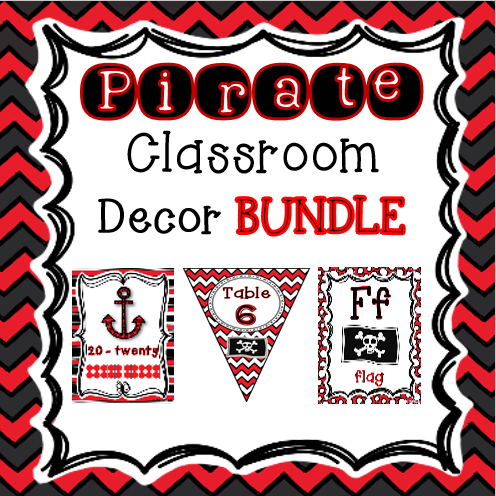
Pirate Themed Classroom Decoration Bundle

This bundle includes everything you need to prep and decorate your Pirate Themed Classroom.  This bundle includes a Pirate Alphabet, Ten Frame Posters 1-20, Editable Supply Labels, Desk Name Plates, a banner, table and center signs, a calendar set, and more!

Pirate Theme Bundle

Purchase the Pirate Themed Bundle HERE!

Pin it HERE!

Visit my TPT Store!

Visit The Owl Teach Blog!


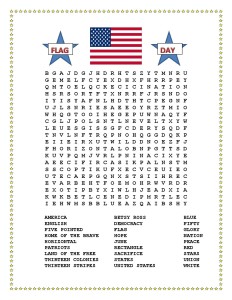
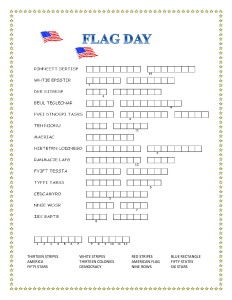
LANGUAGE ART LESSON- FLAG DAY- Word Search and Double Puzzle with Hidden Message

This exciting Flag Day Word Search & Double Puzzle is a great educational opportunity for the last Days of School. Flag Day is celebrated on June 14. This word search will help you teach students about the significance of the stripes and colors of the American Flag. The American Flag is comprised of 13 stripes that symbolize the thirteen original English colonies. The fifty stars symbolize the fifty states.The stars are five pointed.


https://www.teacherspayteachers.com/Product/FLAG-DAY-Word-Search-and-Double-Puzzle-with-Hidden-Message-1889282


It contains

1) Word Search= 27 words (For example)
AMERICA ,BETSY ROSS ,BLUE
ENGLISH, DEMOCRACY, FIFTY
FIVE POINTED, FLAG, GLORY
HOME OF THE BRAVE, HOPE, NATION
HORIZONTAL ,JUNE ,PEACE

banderaing (2)-page-001

PIN THIS LESSON

https://www.pinterest.com/pin/187392034471723764/


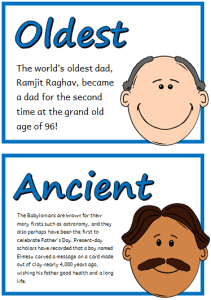
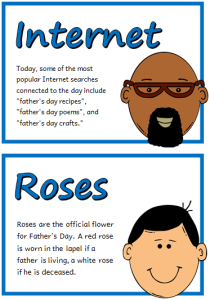
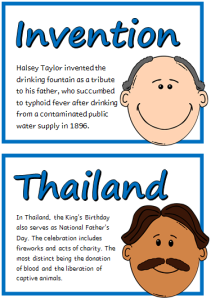
FATHER FACTS FOR FATHER’S DAY

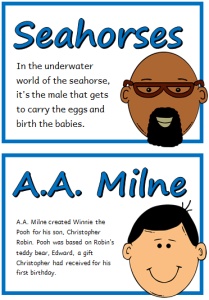
A set of 16 A5 fact cards that give fun and interesting facts about fathers for Father’s Day. Teachers also have the option to use this set as a vocabulary word wall as each fact card has a keyword heading related to the fact and topic. A wonderful resource for discussing, displaying and activities!

fathers-day-fact-cards-p2 fathers-day-fact-cards-p1 fathers-day-fact-cards-p4 fathers-day-fact-cards-p3


www.teacherspayteachers.com/Product/Father-Facts-for-Fathers-Day-1255754

Visit our TpT Store:

www.teacherspayteachers.com/Store/Treetop-Displays

Follow us:

Facebook     Pinterest     Twitter     Google+


MISCELLANEOUS LESSON-SPANISH COLORS- Vocabulary & Word Search @ Colorea tu Helado Favorito

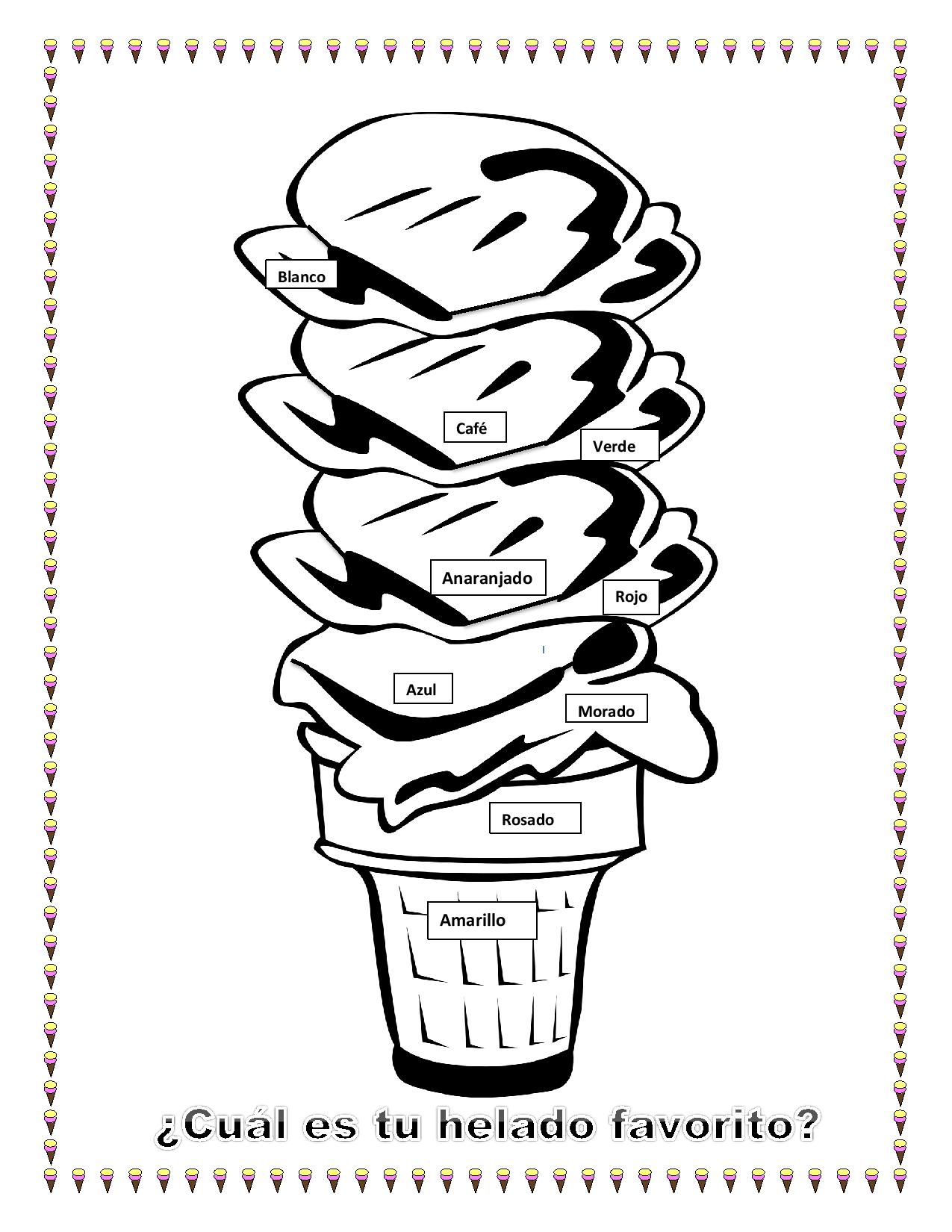
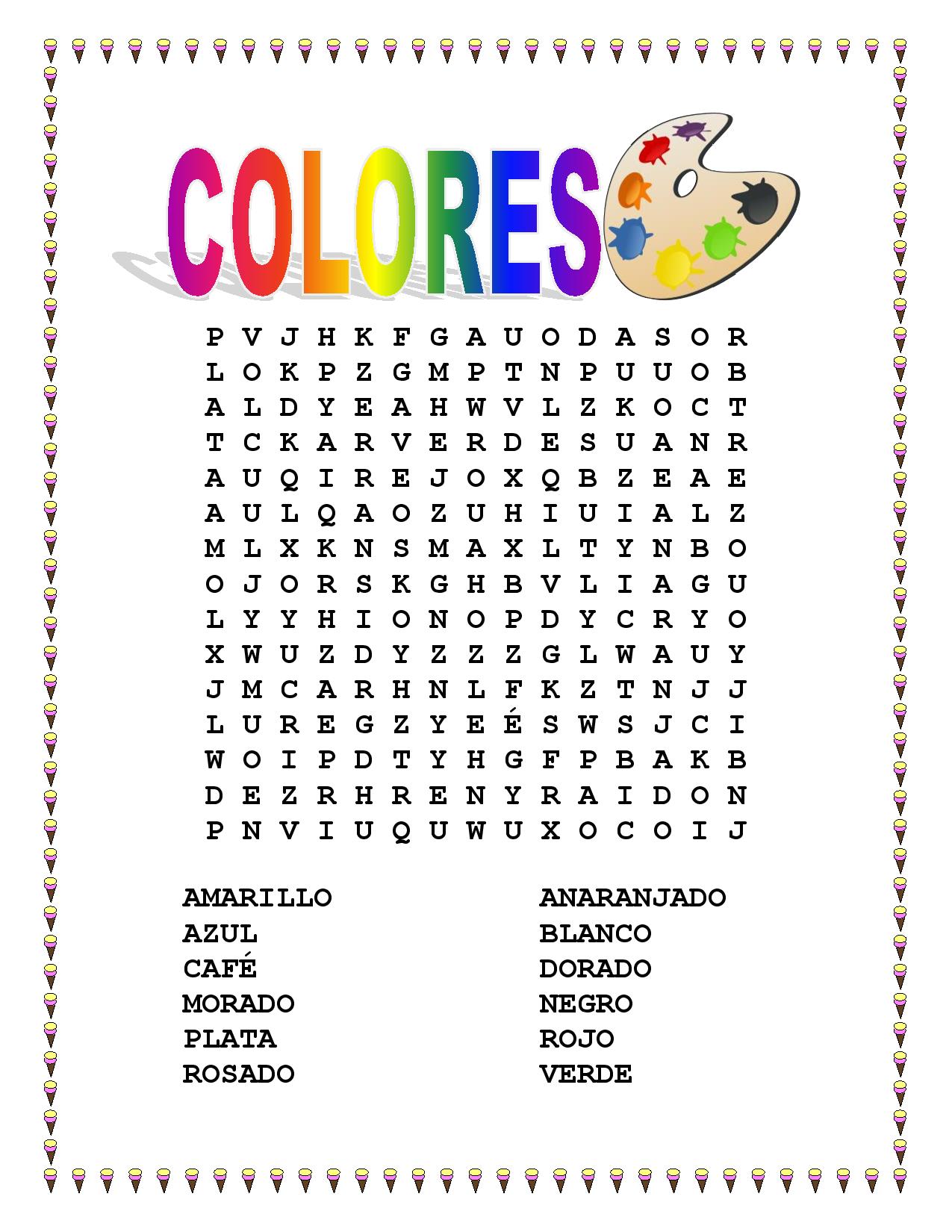
This Coloring Package is an amazing resource to practice spelling colors, and having fun doing the Coloring Activity. Great package for Elementary students and for fifth grades students who never had Spanish before. This lesson may be included in the “Moving Up” packages where fifth students can see how easy Spanish vocabulary can be, use a dictionary to complete the word bank, do the word search and complete the Ice Cream Coloring activity.

https://www.teacherspayteachers.com/Product/SPANISH-COLORS-Vocabulary-Word-Search-Colorea-tu-Helado-Favorito-1846848

SPANISHCOLORSVocabularyWordSearchColoreatuHeladoFavorito (1)-page-003 (1)SPANISHCOLORSVocabularyWordSearchColoreatuHeladoFavorito (1)-page-001 (1)SPANISHCOLORSVocabularyWordSearchColoreatuHeladoFavorito (1)-page-002


It contains

1) 12 colors vocabulary/assessment worksheet with word bank

2) 12 Colors Word Search- Make it a game. Divide students in small groups and give stickers to winning groups or homework passes.
3) Ice Cream Coloring Activity -The top part of the ice cream is free so students can color their favorite ice cream and answer the question – What is your favorite Ice Cream?


VISIT MY TpT Store

To Pin this Lesson

https://www.pinterest.com/pin/189291990565110479/


Please stop by my store to take advantage of a 10% Sale 


Language Arts Lesson-OCEAN Animals Bingo- Pre K-2 – Writing Prompt

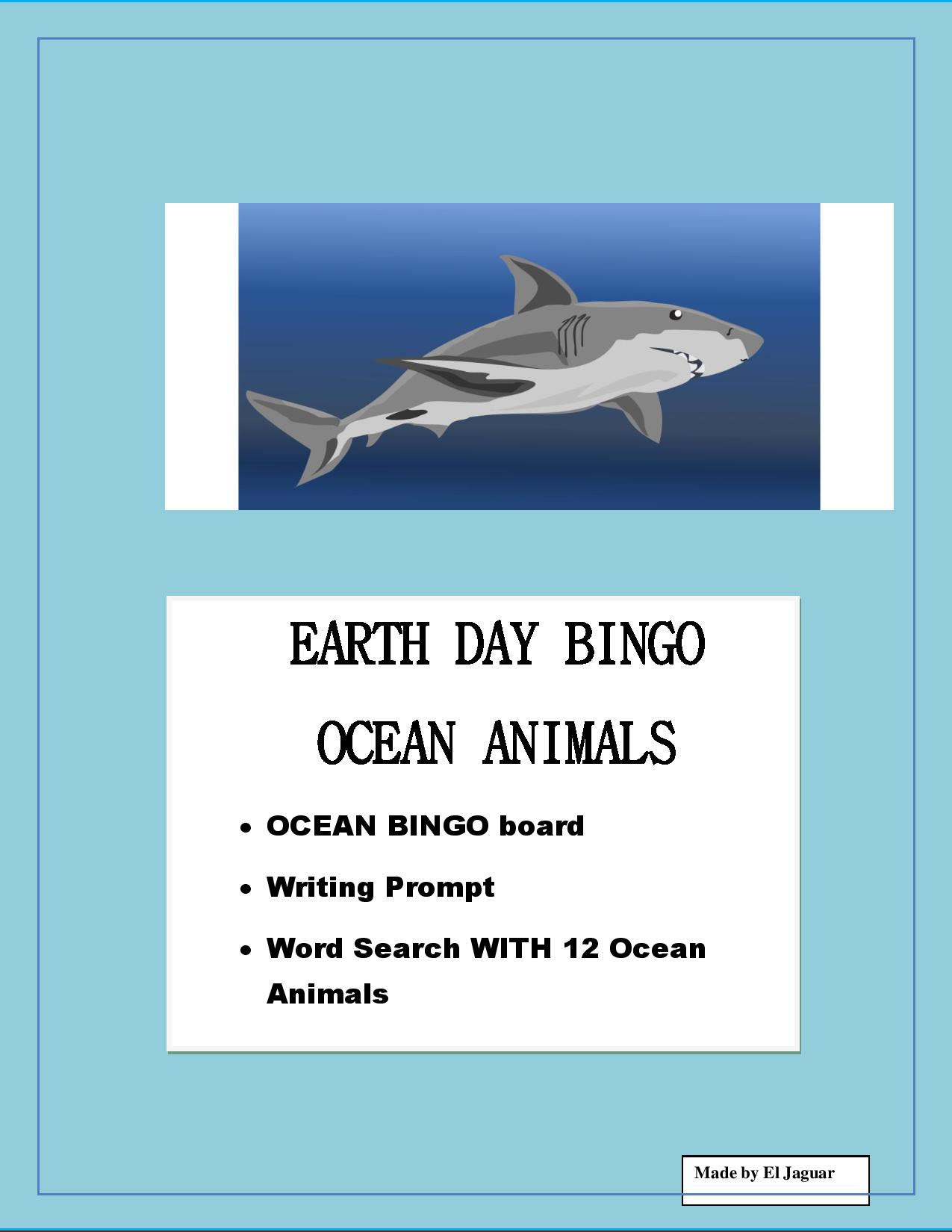
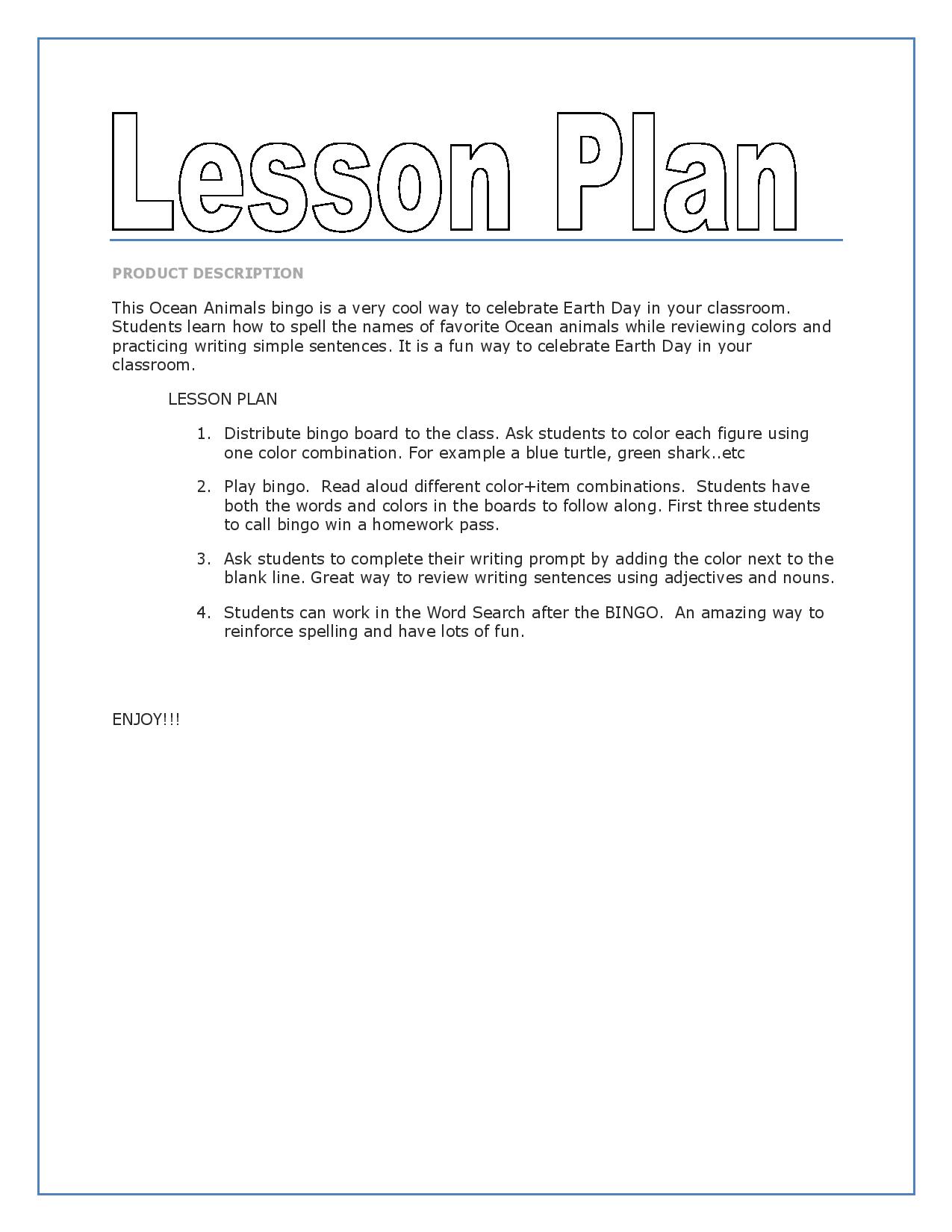
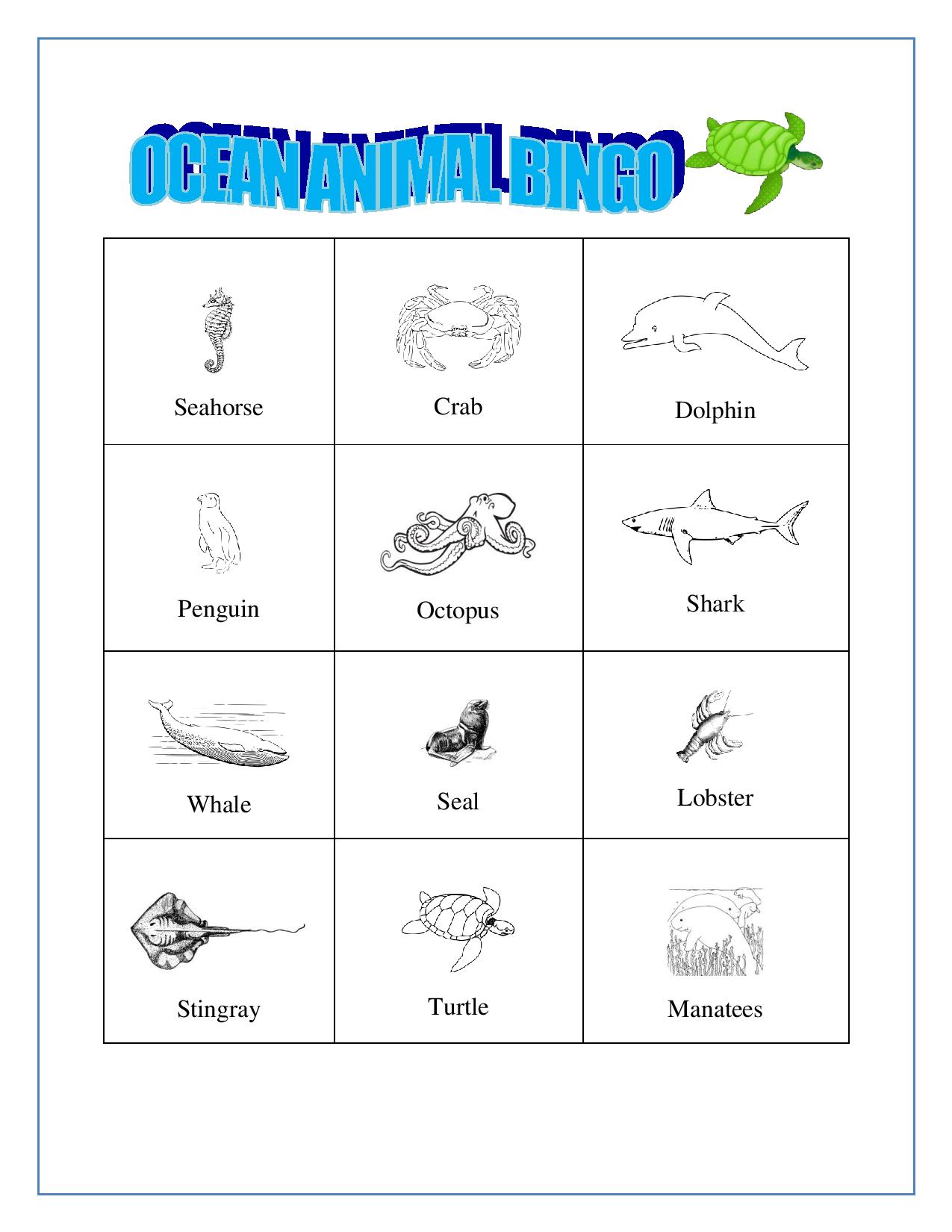
This Ocean Animals BINGO features 12 of the most beloved Ocean Animals . This package is very helpful to celebrate National Aquarium and Zoo month of June in your classroom.

OCEANAnimalsBingoPreKWritingPrompt-page-001

https://www.teacherspayteachers.com/Product/OCEAN-Animals-Bingo-Pre-K-2-Writing-Prompt-1813650

The package includes:
– Lesson PlanOCEANAnimalsBingoPreKWritingPrompt-page-002

-BINGO Board- Students can color objects using a single color . Encourage creativity. For example a blue turtle, green shark.etc

OCEANAnimalsBingoPreKWritingPrompt-page-003

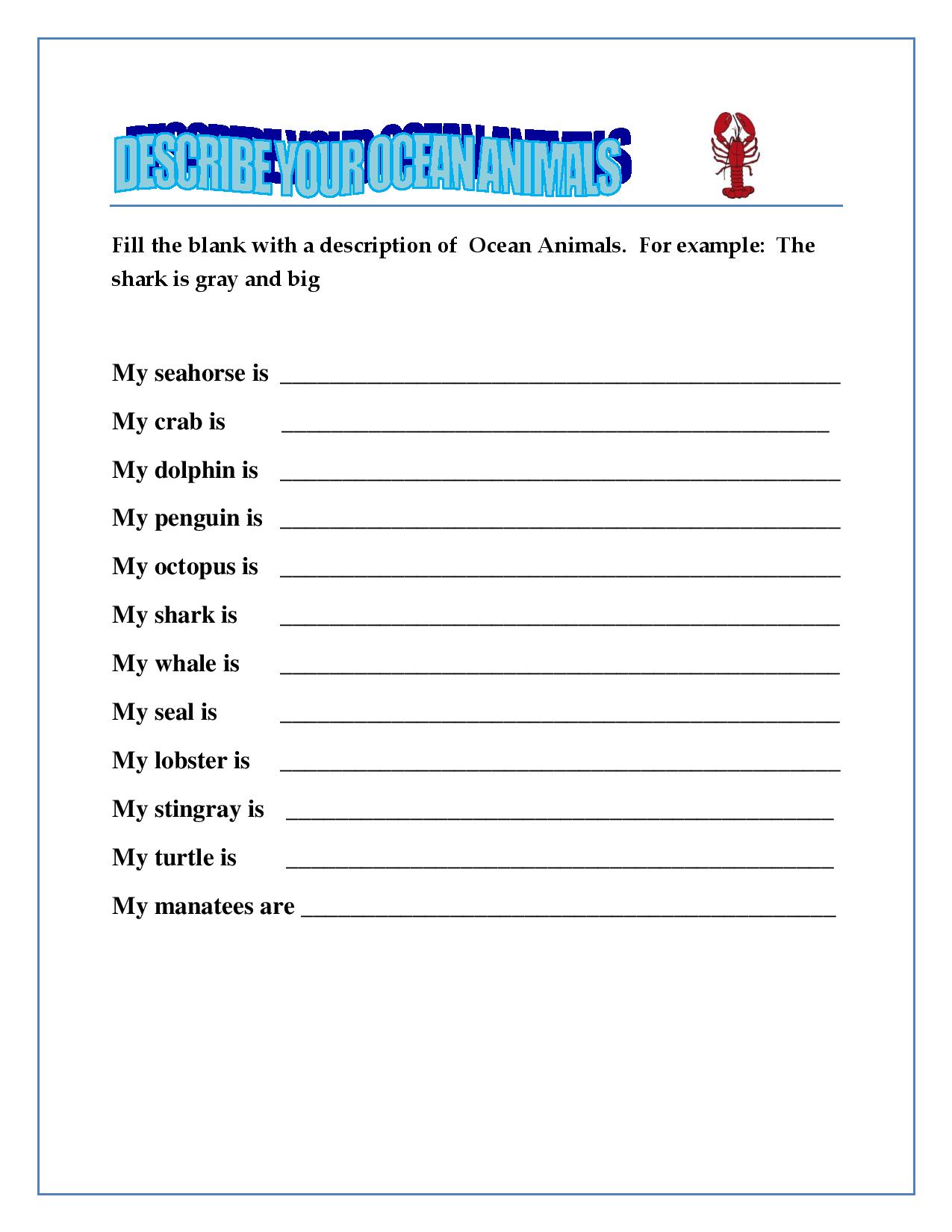
– Once the bingo board is filled, ask students to complete the writing prompt. Each sentence should describe the animal’s color and size. For example: My shark is green and big.

OCEANAnimalsBingoPreKWritingPrompt-page-004

-Play Bingo. Read different combinations and write them on the board. You can play for the whole board. All combinations should be written on the board. Ask students to verify their worksheets and correct them as they play. Winners can get homework passes.

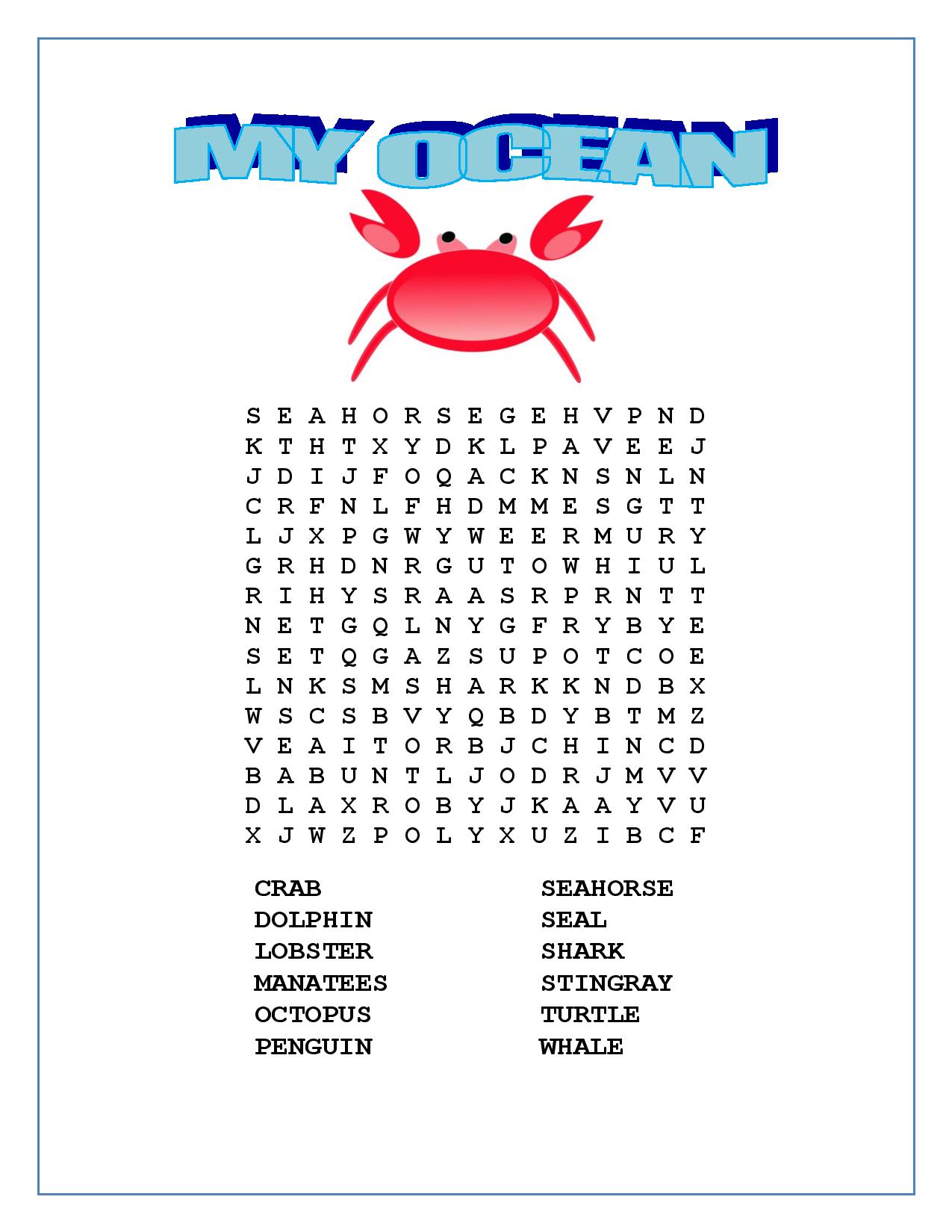
-Word Search- Great conclusion for word recognition and review. Have students work in small groups and compete for a Homework pass.

OCEANAnimalsBingoPreKWritingPrompt-page-005

You have enough material to work for a 1-2 days. You can use the vocabulary worksheet as a quiz at the end of the unit.

ENJOY!!!


VISIT MY TpT Store 


http://www.teacherspayteachers.com/Store/El-Jaguar

PIN THIS LESSON TO PINTEREST

https://www.pinterest.com/pin/414190496957335161/


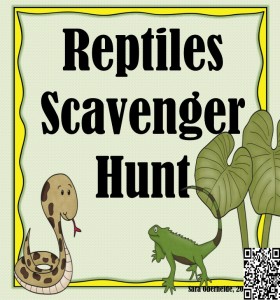
Reptiles Scavenger Hunt!


Slide1I started making these scavenger hunts to support science in my classroom. However, what I found was that these hunts are a great way to also support reading.  Students read to find information about reptiles and then answer questions.  It works great a supplement to your science curriculum.


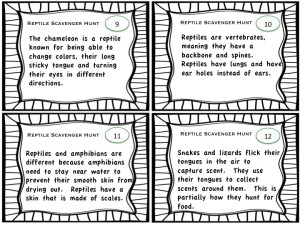
Reptile Scavenger Hunt


Here is a picture of the task cards. There are 20 total task cards.  Hang them up around the room and it lets kids get moving while they answering questions. Trust me they will love this activity, my students beg for them.


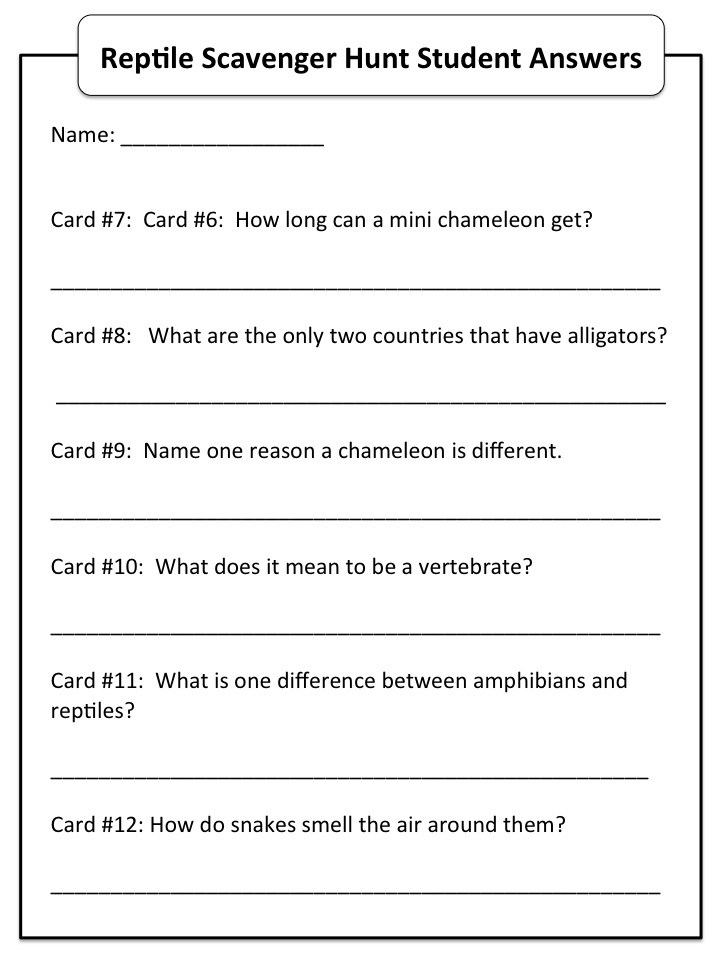
Slide6

Here is a picture of what the question pages look like.  One thing that I will be doing next year to extend my higher kids, is to have them write their own questions.  The lower learners can still participate with the already made questions.

Slide2


This is my first science scavenger hunt, but I’m working on more this summer.  If you have a topic you would like a scavenger hunt for leave a comment for this post with your email and topic.


Thanks,
Sara Oberheide

TPT store

header


Certificates of Achievement (All Subjects)


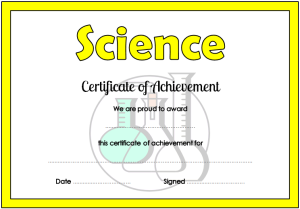
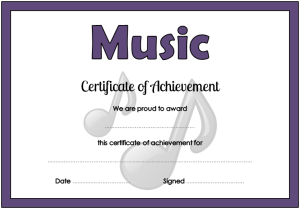
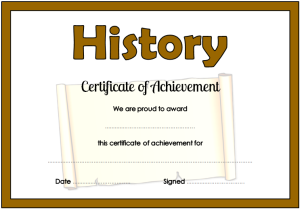
A lovely set of 17 A4 certificates that comprise of the main subjects. Each certificate is color-coordinated with a symbolic washout picture. Great for awarding students for their work within a specific area of their learning.

subject-certificate-pack-p1 subject-certificate-pack-p2 subject-certificate-pack-p4 subject-certificate-pack-p3


www.teacherspayteachers.com/Product/Certificate-of-Achievement-All-Subjects-1116627


Visit our TpT Store:

www.teacherspayteachers.com/Store/Treetop-Displays


Follow us:

Facebook     Pinterest     Twitter     Google+


SPANISH FATHER’S DAY-Students Make a Father’s Day Trophy Card- Dia del Padre

SpanishFathersDayStudentsMakeaFathersDayTrophyCardDiadelPadre (1)-page-001

Make a beautiful Trophy Card for Father’s Day with your students


https://www.teacherspayteachers.com/Product/Spanish-Fathers-Day-Students-Make-a-Fathers-Day-Trophy-Card-Dia-del-Padre-1878495

This exciting lesson has a beautiful cover page of a trophy in Spanish .

1. Print the cover page in white cardboard.
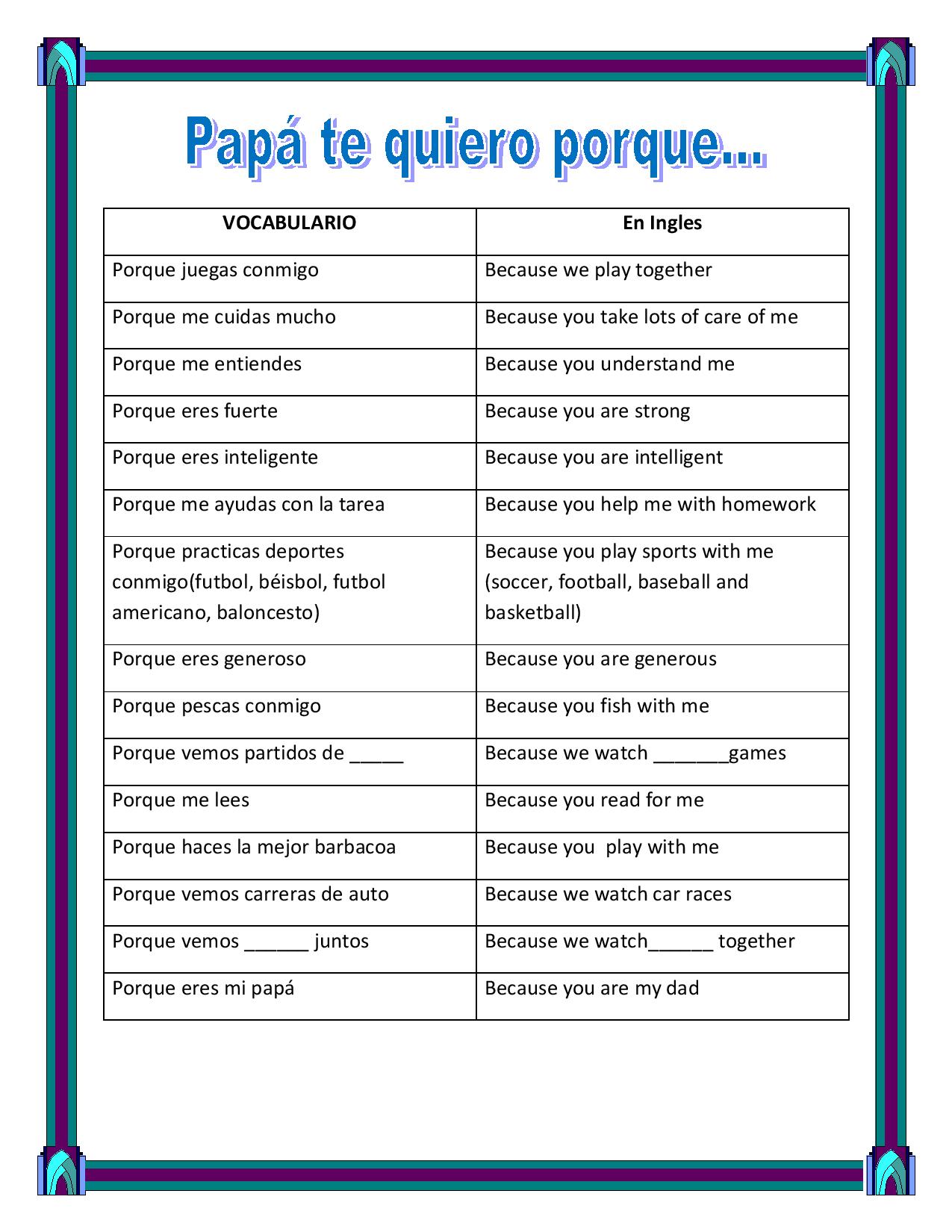
2. Go over the 15 Why I love you dad sentences. “Porque te quiero papa…”

SpanishFathersDayStudentsMakeaFathersDayTrophyCardDiadelPadre-page-003
3. Have students write on the back of the card the phrases they selected. They need to select at least eight of the sentences. They have to copy them to the back of the card in Spanish. Great adjective review.

4. They will be able to take it home and give it to their dad. If you have a small class you might even laminate them to take them home. Encourage them to memorize some sentences. It will be cool for them to say something to their dads in Spanish. Great way for you to show parents some of the vocabulary words learned and speaking competencies.

5. Complete 20 words Spanish Word Search- Split students into small teams. Have teams compete to find the meaning of the words for a classroom pass. Have them compete to find the words and provide another homework pass. Great way to review adjectives cognates and have a wonderful day celebrating Father’s Day in your class.

SpanishFathersDayStudentsMakeaFathersDayTrophyCardDiadelPadre-page-004


Enjoy your cards!

¡FELIZ DIA DEL PADRE!


VISIT MY TpT STORE FOR MORE FUN SPANISH LESSONS


URL: http://www.teacherspayteachers.com/Store/El-Jaguar


I’m Having a SALE!

Gifted and Talented Materials by Joyce Lansky is having a sale now through June 4th. I have 267 products on sale for 10% off. 

Your best savings will come from my many literary guides or book units.

But I also have a lot of math lessons and logic. I have it all!

Please stop by my store to take advantage of savings of 10% off these next few days.

https://www.teacherspayteachers.com/Store/Gifted-And-Talented-Materials-By-Joyce-Lansky


FREE LESSONS & PRICED LESSONS – The Best of Teacher Entrepreneurs Marketing Cooperative

49 FREE LESSONS!

Click on the links below to see the 

free lessons, priced lessons, sales, promotions, and articles 

by the best teacher entrepreneurs on the Internet!

The Best of Teacher Entrepreneurs Marketing Cooperative

Go to The Best of Teacher Entrepreneurs blogs 

for more free lessons!

The Best of Teacher Entrepreneurs

The Best of Teacher Entrepreneurs II

The Best of Teacher Entrepreneurs III

Join The Best of Teacher Entrepreneurs Marketing Cooperative at

http://www.thebestofteacherentrepreneursmarketingcooperative.com/2014/01/the-best-of-teacher-entrepreneurs.html

and get THOUSANDS OF PAGE VIEWS for your TpT products!

Go to http://www.pinterest.com/TheBestofTPT/ for even more free products!


Language Arts & Math – “Back to School Mega Monster Fun”

by Readable Creations
Two Versions:
First Grade
Second Grade

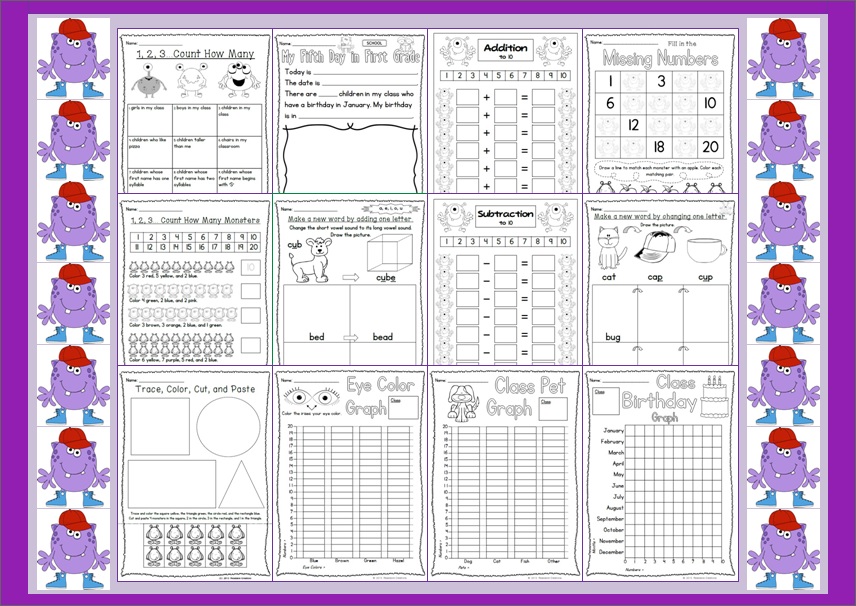
This first grade, monster-themed, back-to-school resource unit can be utilized over the first few weeks of first grade. (It would also be suitable as an end of year thematic unit for kindergarten.) The literacy and math worksheets / activities reinforce kindergarten academic skills while inspiring motivation and awareness of the students’ own talents, features, and abilities. The ‘Alphabet Game’ fosters an increased awareness of classmates’ characteristics. All the included activity sheets are listed below.

Contents:
My First Day in First GradeReadable Creations
My Second Day in First Grade } integrate graph (page 57)
My Third Day in First Grade } integrate graph (page 58)
My Fourth Day in First Grade } integrate graph (page 59)
My Fifth Day in First Grade } integrate graph (page 60)
About Me
My Favorite Things
Alphabet Game
Description Cards – for the game (including blank template)
I’m a Star at School
I’m a Star
My Teacher
6 Word Story (summer vacation)
Compare and Contrast (monsters) – Venn Diagram
Compare and Contrast (classrooms) – Venn Diagram
We like reading. (Dolch Pre-Primer & Primer word wall)
I like reading. (Dolch sight word bank)
Color by Word
We know the letters of the alphabet and their sounds. (poster)
I know the letters of the alphabet and their sounds.
I can write the letters of the alphabet. (Uppercase)
I can write the letters of the alphabet. (Lowercase)
Make a new word by changing one letter. (including blank template)
Make a new word by adding one letter. (Short to Long Vowel Sounds)
I spy with my little eye something beginning with…Back to School
Alphabet Memory Game
1, 2, 3…Count How Many
School Transportation Graph
Eye Color Graph
Class Pet Graph
Class Birthday Graph
1, 2, 3…Count How Many Monsters
Circle the odd one out in each row.
Addition to 10
Subtraction to 10
Missing Numbers
Trace, Color, Cut, and Paste
Monster Cards (for addition and subtraction)

TpT Store
Facebook
Pinterest


Sudoku Fun

Sudoku puzzles are a fun thinking exercise involving numbers or symbols. The objective of the game is to have a different symbol in each box, row, and column. Here are six fun and challenging puzzles for bright, young children. $3.25


If you like to challenge your kids with critical thinking activities, please stop by my store where I have a multitude of lessons.


Fun Summer Lists – Writing for Real Purposes!

Fun Summer Lists cover.png - Copy

Many children today do not have much appreciation for the world of paper and pen. The electronic world is far more seductive and even the adults in their lives are likely spending time on laptops or smartphones. Guilty as charged over here.

While building writing skills may come easily to some children, it can be overwhelming and exhausting to others. What is in it for them? They simply must see a point to it for real-world purposes, and receive positive feedback.

Kids do see us make lists – even if we make them on our smartphones. And kids do what we do (not necessarily what we say!)

For our purposes today, writing will mean any communicating in print. We’re talking about Kindergarten to grade two or three students of varying abilities.

Our goal is to help them understand why they are learning to write, buy into it and know that they are contributing members of society, who are appreciated for the contribution they are making by doing so!

Think of the possibilities for planning a day trip, or vacation….

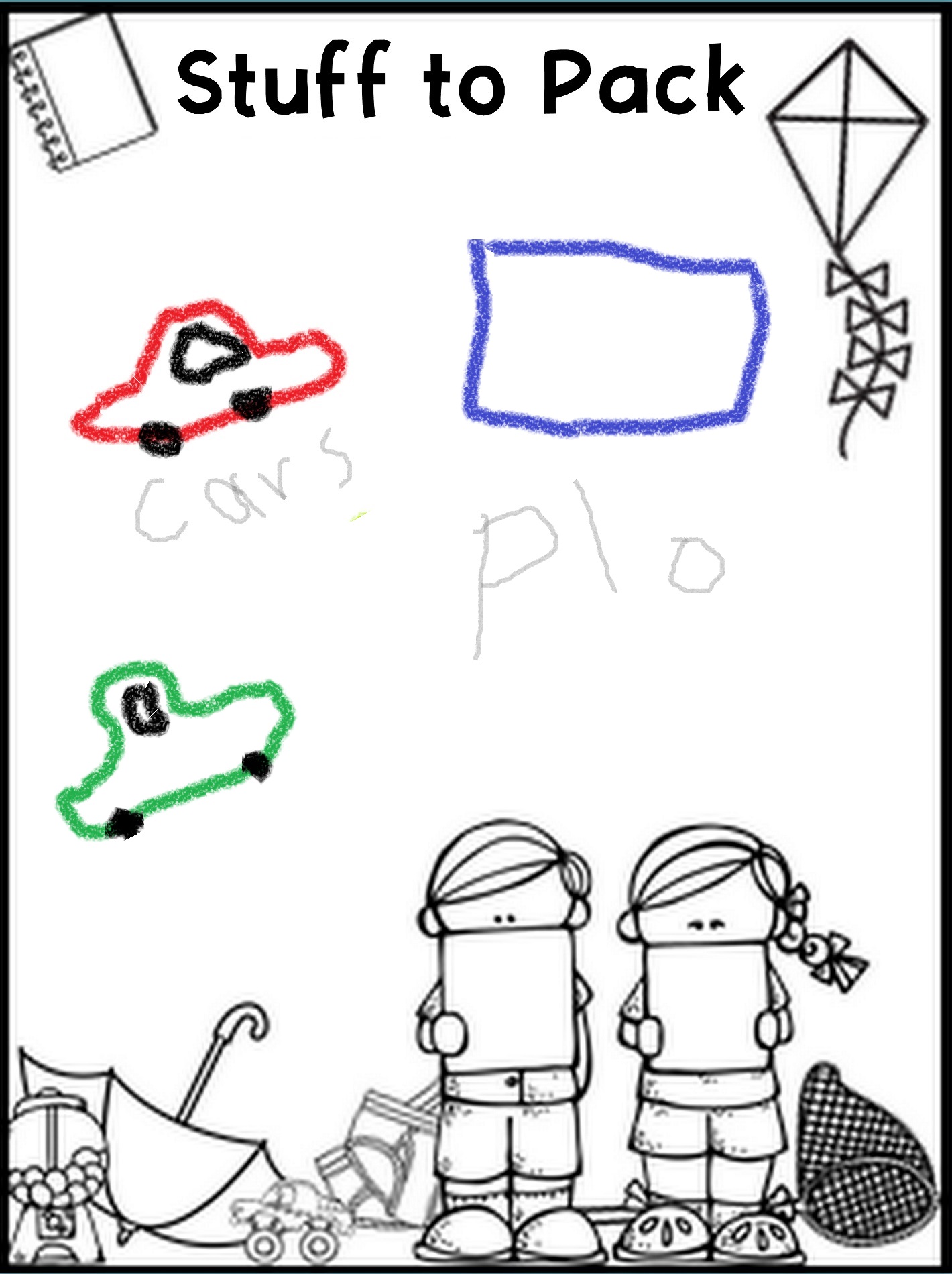
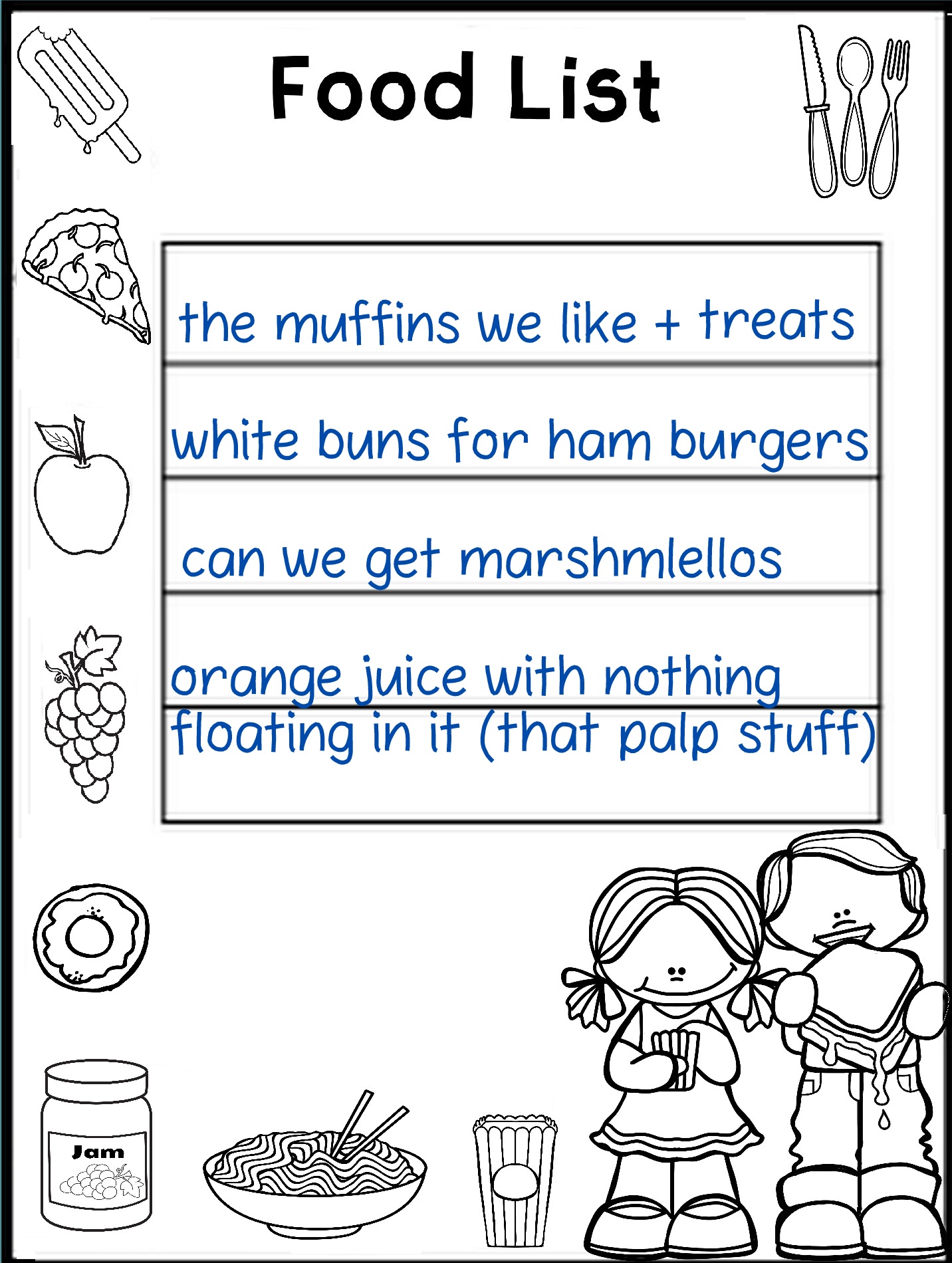
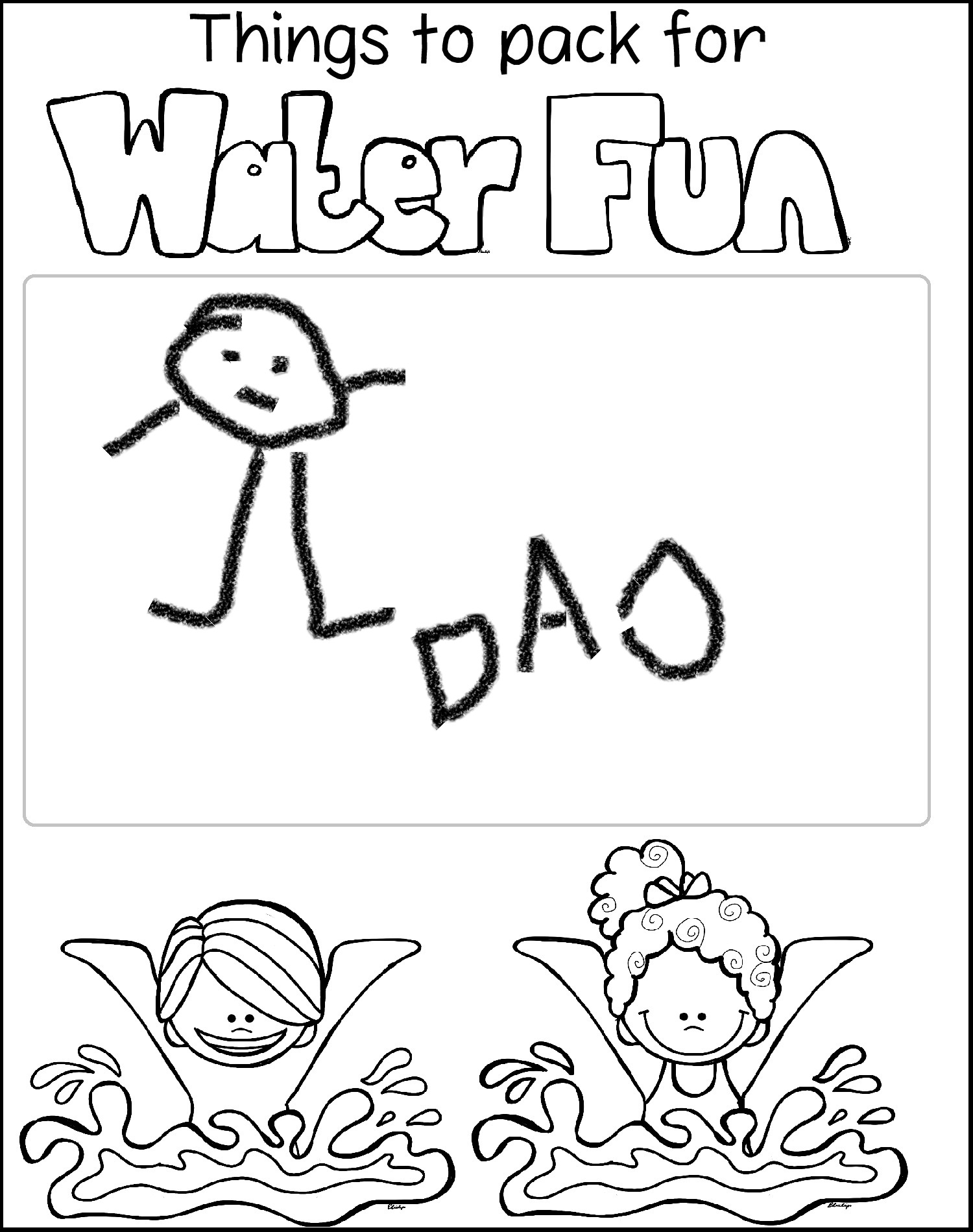
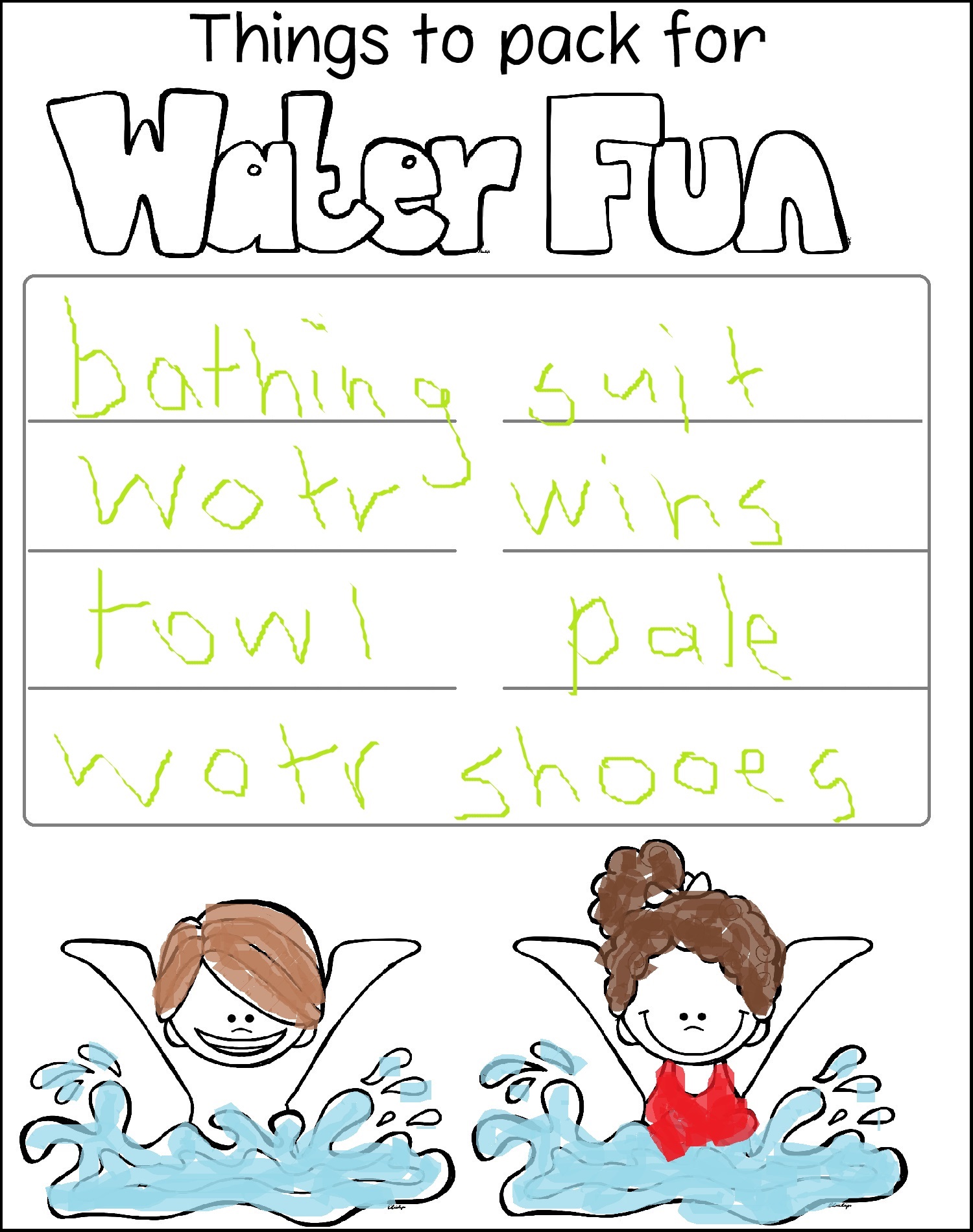
Packing Lists…


5 Stuff to pack blank - Copy 6 Stuff to pack lined - Copy

7 Food list blank 8 Food list lined - Copy.png

11 Things to pack for Water Fun 12 Things to pack for Water Fun - lined

The Social and Wish Lists…


1 Summer Bucket list blank.png - Copy 2 Summer Bucket List lined - Copy

4 Friends - boys.png - Copy 3 Friends - girls.png - Copy

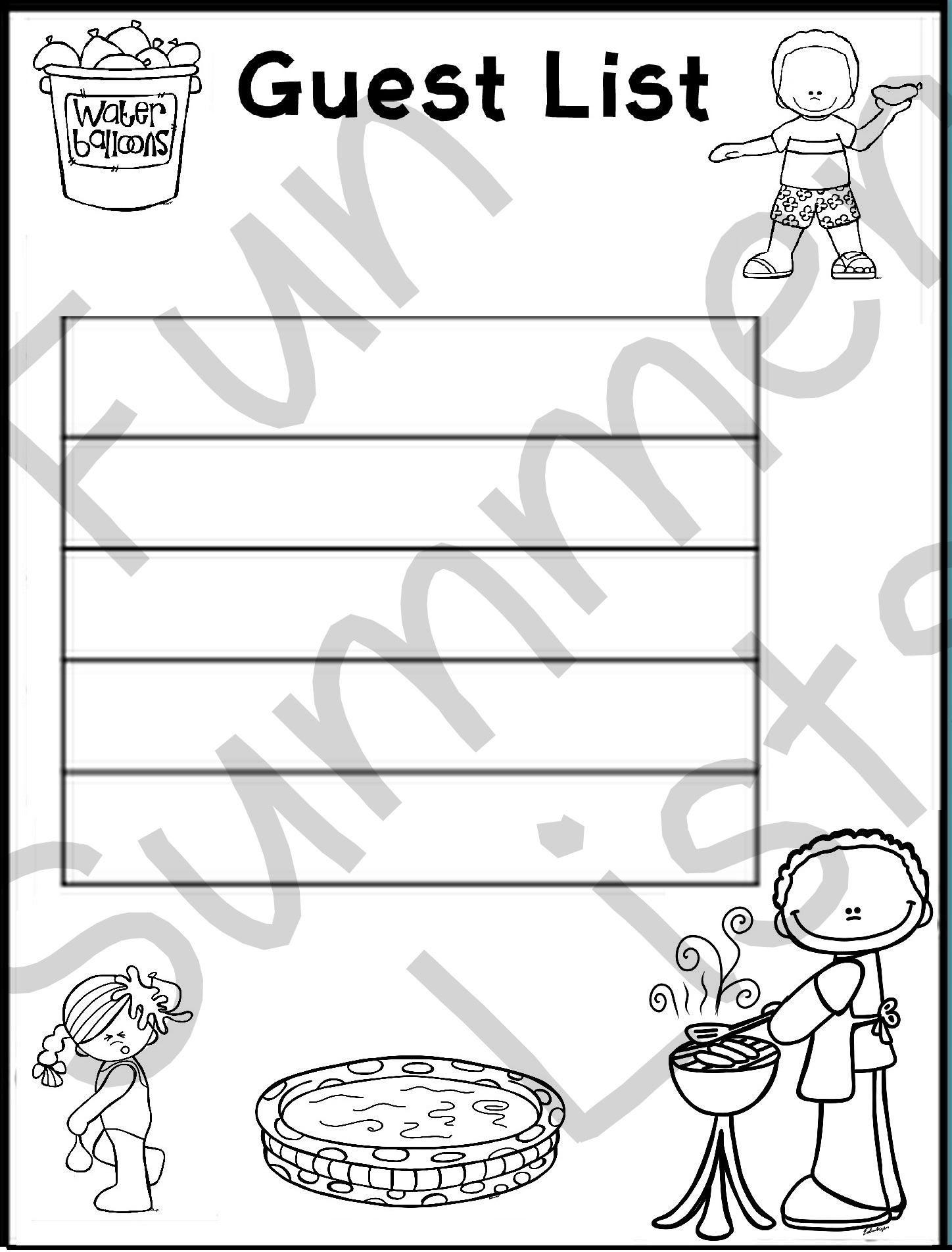
9 Guest List blank - Copy 10 Guest list lined - Copy.png

Lists about stories and games…or anything really!


16 Fav Stories 18 Stories I want to read 17 Books I read this summer

13 Games I really like 14 Games I really want 15 Apps and Games that help me learn

Whether our child / student draws or pastes pictures, dictates to us while we scribe, prints in hieroglyphics, or phonetically spelled words, we need to make this real world connection and commend them for making the effort. Especially in the summer!

Fun  Summer Lists is included in a WRITING FOR REAL PURPOSES bundle called Summer Literacy Fun Pack, with Summer Fun: Reading and Writing through Play pictured below.

These products were inspired by a post I wrote last summer (also pictured below) and by the effectiveness of these types of activities with my own children and students. I hope you enjoy them. Think Summer! It’s just around the corner!

Best wishes to all of you as we head into the final month of school!

I.M.

That Fun Reading Teacher 

Th TpT Store Prof pic circle


WRP Summer Bundle Long pin Summer Fun - Reading and Writing through play! cover.pngSumWrite

Some 

(almost)

Summer

freebies!

Th 1 Father's Day cover 300 Th Label the lifeguard - Colour


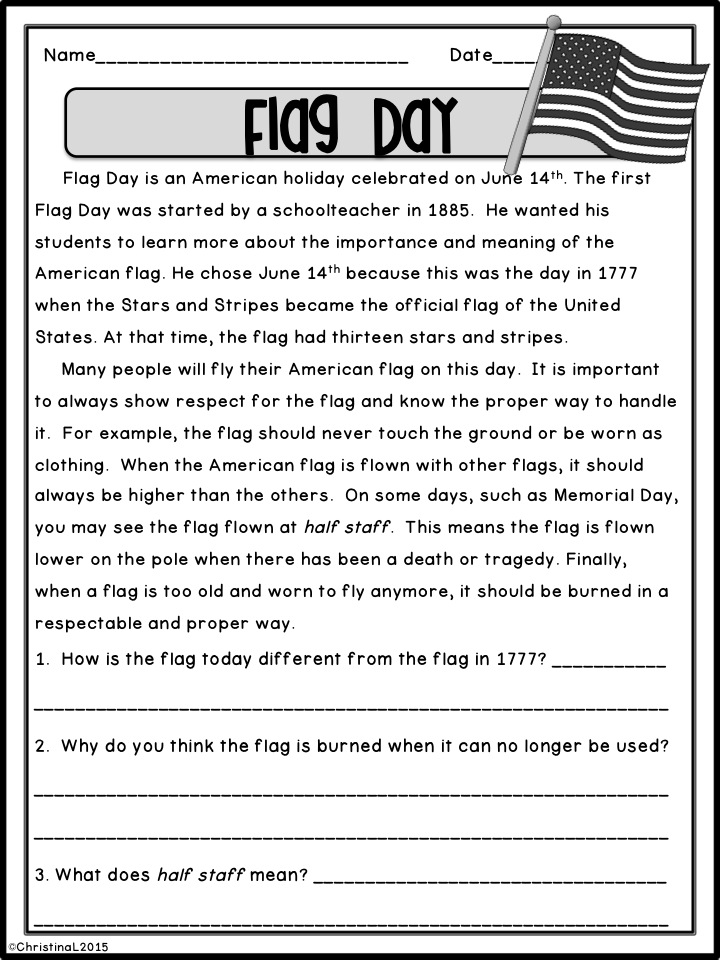
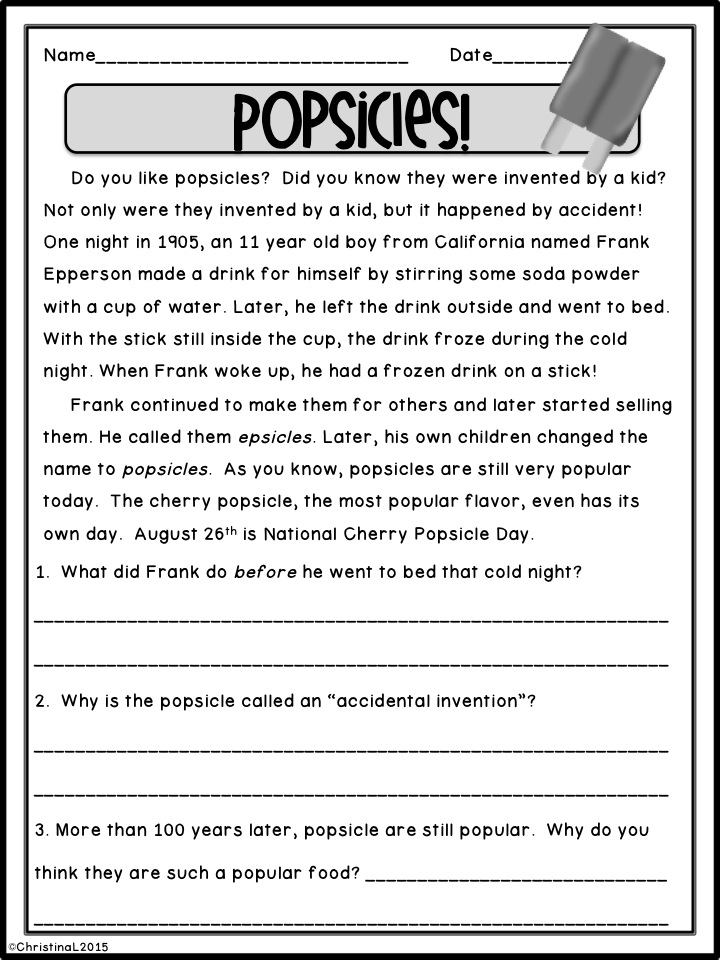
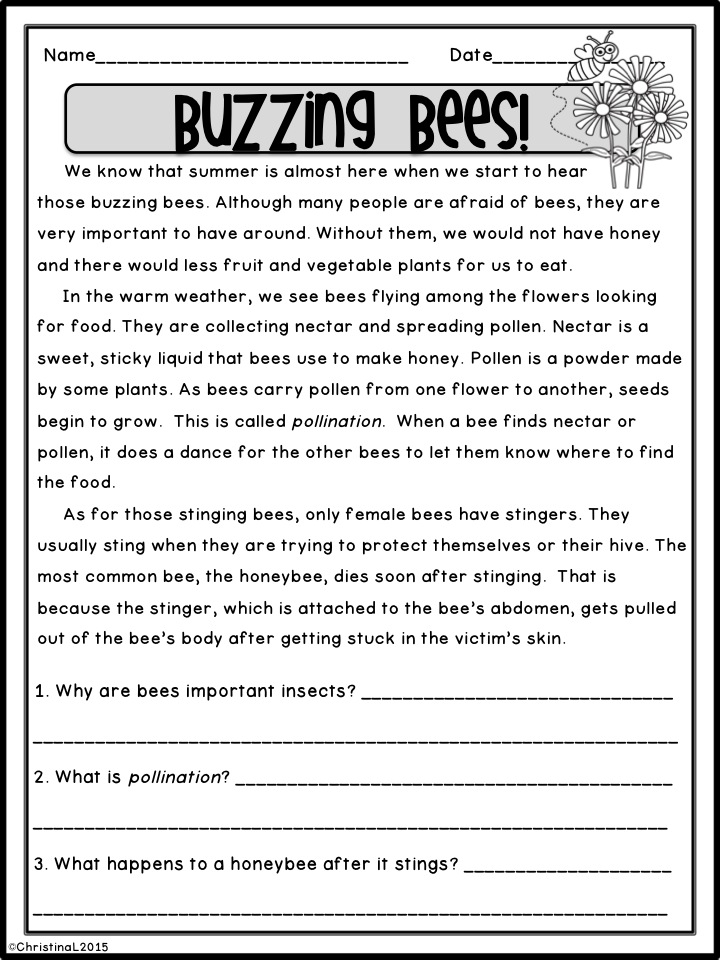
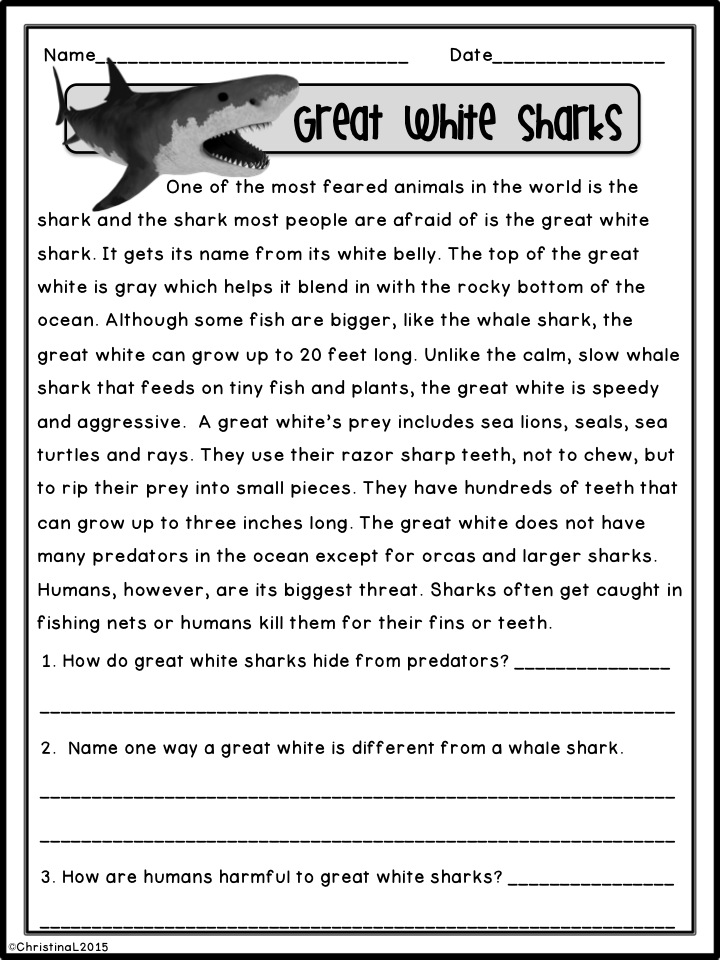
LANGUAGE ARTS – “FREE SUMMER READING PASSAGES”

By Christina L

Grades 1-3

Slide1 Slide3 Slide4 Slide5 Slide6


Free Summer Reading Passages with Comprehension Questions

Cover all the important days, events and themes of each month with my monthly reading passages.
This is a small example of my monthly reading passages.
They can be used as a quick warm up, in reading centers or for homework.
It includes 4 reading passages with 3 comprehension questions each:
• Flag Day
• Buzzing Bees!
• Popsicles! (The Invention of the Popsicle)
• Great White Sharks
Also included is one worksheet for recalling 4 facts they have learned.

Check it out here.


Thanks for looking!

Christina L

My Store: https://www.teacherspayteachers.com/Store/Christina-L


Critical Reading

A successful author should be able to control what one gains from reading his or her story, but what if  the meaning on the page is unclear? Voila! Here you have two critical reading stories which are perfect for group discussions and, that often sought after, accountable talk. Although the stories have a strong plot, the message is purposely written in a vague manner to trigger different interpretations.

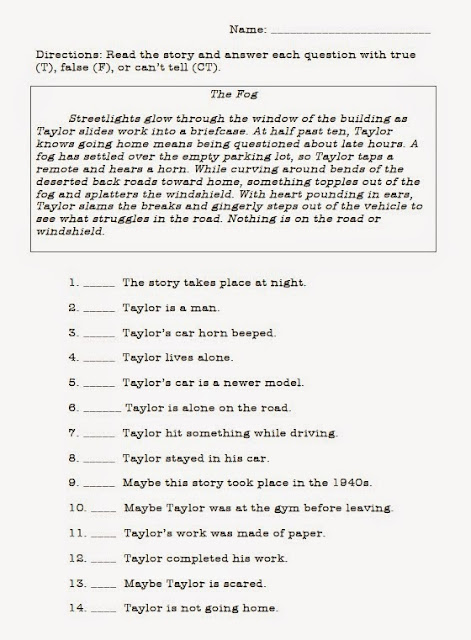
In “The Fog,” Taylor leaves work only to hit something in the road . . . or does he? Perhaps, Taylor is not a he at all. Students are asked to answer questions after the story with a True, False, or Can’t Tell. Next, the students debate the answer. 

“The Fog” may be used with multiple grades. Although I originally wrote it for fifth graders, I had a blast listening to the discussion from a high school group. They took my little story to an entirely new level.  

This would be a great activity once the textbooks are collected. Critical reading stories sell for $1.25.

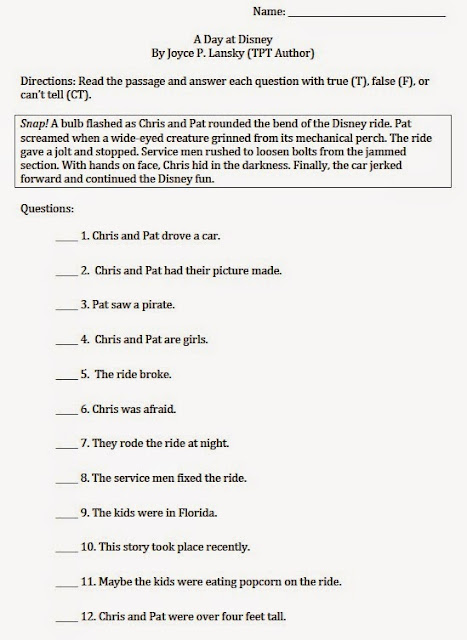
If “The Fog” is a bit too advanced for your students, here is another critical thinking story about a ride failing at Disney. “A Day at Disney” works well with your bright primary students as well as elementary kids. It is also a gateway for accountable talk. 

https://www.teacherspayteachers.com/Product/Critical-Reading-A-Day-at-Disney-Accountable-Talk-1486335

If you’re looking for short stories for your kids, please stop by Slide1


FREE MISC. LESSON – “End of the Year Free Lessons By The Best of Teacher Entrepreneurs Marketing Cooperative – 2015”

by Victoria Leon

Pre-Kindergarten – 8th Grade

Download eighteen free lessons to use at the end of the school year or have your students do during their summer vacation. Enjoy these lessons by members of The Best of Teacher Entrepreneurs Marketing Cooperative:

* Summer ABC 123 

* Ice Cream Sundae Summer 

* A Calendar filled with Fun & Motivating Speech-Language Activities 

* My Book of Numbers: 0-10 

* How to Draw Using Lines & Curves: Free Sample Tulip, from Print Path 

* School’s Out 

* Summer Bucket List Pennant Banner Worksheet 

* Free End of Year Who is Who in My Class and Autograph Booklet 

* Year End Balloons

* My Vacation Memory Book

* Summer Slide 

* End of the Year Scoot

* 1 – 2 Review 

* End of the Year Writing Activity Freebie

* School Memories Grades 3-6

* What Will Life Be Like in 5,000 Years? 

* Presidential Wall 


Join The Best of Teacher Entrepreneurs Marketing Cooperative at

http://www.thebestofteacherentrepreneursmarketingcooperative.com/2014/01/the-best-of-teacher-entrepreneurs.html

and get THOUSANDS OF PAGE VIEWS for your TpT products!

Go to http://www.pinterest.com/TheBestofTPT/ for even more free products!


Logic Problems to Last The Year

Logic problems are a fun way to keep kids engaged, especially at the end of the year. My store is packed with these that may be purchased for a dollar a piece or in bulk for a discounted price. Why not plan ahead and take care of all the holidays at once with one of my logic problems to last the year packets.


This original packet was made to challenge students in third through fifth grades, but some of these problems are tough and most likely would meet the needs of older students in the regular classroom. 


The booklet contains twelve logic problems from the first day of school until the Tired Teachers at the end. Along the way, students will tackle challenges centered around Labor Day, Halloween, Thanksgiving, Christmas (2), Valentine’s Day, St. Patrick’s Day, April Fools Day, Easter, and Mother’s Day. Right now it’s set at a reduced price of $8.75, so please check it out.   https://www.teacherspayteachers.com/Product/Logic-Problems-to-Last-the-School-Year-IG-1264788

If you teach younger kids, no worries, I have the materials for your kids, too, with Logic Problems to Last the Year (Book II) for grades 1 – 3. This mini version of the original book contains six logic problems surrounding the holidays of Halloween, Thanksgiving, Christmas, Valentine’s Day, Easter, and our American Independence Day. These matrix logic problems contain one grid to challenge our bright younger students, but once again, they could also challenge an older child in the regular classroom. Book II sells for the reduced price of only $3.95. 


https://www.teacherspayteachers.com/Product/Logic-Problems-to-Last-the-Year-Holiday-Logic-for-Bright-Kids-1859149

If you like logic or any activities to challenge bright students, please check out my store at:

https://www.teacherspayteachers.com/Store/Gifted-And-Talented-Materials-By-Joyce-Lansky


10 Ways to Keep Students Learning Over the Summer

 By Deann Marin at The Best of Teacher Entrepreneurs

 

Offering for Educators, Comprehensive Teaching Aides. If you’d like to see what else I have to offer please visit my store.


Summer is the time for fun, fun, fun! School is out no more hitting the books. The only problem is that much of what was learned during the school year is forgotten, “out of sight, out of mind.” Not so with these ten fun educational activities that will keep the children looking for more and not even realizing that they are learning.


1.   Have your child, if he/she is old enough, take pictures of different things that you do over the summer. This will be especially exciting if you travel somewhere. They can put their photographs in a nice scrapbook and write a few  sentences about them. Make sure correct punctuation and grammar are used. What a great memory to look back on. When the school  year begins, this book can be shared in class.

2.   Help your child make a summer calendar for June, July, and August. They can use crayons, pencils, paint, rulers to color them in and add special things that they did over the summer. This will help to reinforce number recognition and counting. An effective way to work on addition and subtraction would be to say: “How many days till we go to the beach? or how many days ago did we go to see grandma and grandpa?’ even “How many days till you go back to school?”(of course they may not want to think about that!)

3.   Make  musical instruments from materials that are found around the house. Use towel/toilet paper rolls decorate them with paint, then put small pebbles inside. Close each end with cloth, or paper then glue them on or secure with rubber bands. This can be used as a rattle or rain stick.  Other instruments that they can make are drums, a box guitar, or a maraca, etc. This is a helpful websitd:  http://www.howcast.com/guides/841-how-to-make-musical-instruments-  for-kids/

4.   Cooking and measuring the ingredients help with math skills. They will have to read the recipe and measure the ingredients correctly.These recipes look yummy: http://www.foodnetwork.com/recipes/packages/recipes-for-kids/cooking- with- kids.html

5.  If your child likes the computer or tablet, take advantage of it. Have him/her become a web ranger. They will go on quests and learn about national parks. It will help enhance skills in history and geography because they will be asked to solve mysteries and puzzles, play games and more. Check it out on this website: http://www.nps.gov/webrangers/ 

6.  Start a family garden. Decide what type of garden it will be, flower,vegetable, herbs or a combination. Then read up on it. Learn about the particular plants that will be used, find out where they should be placed, in the sun or shade. What types of soil are best, etc.  They can use some math measuring skills to figure out how far to space each plant. They can also measure plants to estimate the growth.  They might also try a science experiment to see if seeds grow faster in sun or darkness and keep a written record.  You can go to this website for more information. http://www.kidsgardening.org/

7.  When riding in the car have your child read signs, names of cities, towns, parks, or look for license plates from different states and figure out what states are the farthest away from them, or they can count the number of license plates they see from the different states. Another game that is fun when traveling is to start with the letter A and name a city, state, or country that begins with that letter, go through the entire alphabet. A variation of this would be to say a state, city, or country name and the next person has to come up with a name beginning with the last letter of the place just said. Austin/Nebraska, Anchorage/Evansville, and so on. Everyone in the car plays to make it more fun.

8.  For those would be scientists, start a rock or critter collection. See how many different rocks/ critters they can discover and find information about them in a book or on the web. They can make a scrapbook with photographs and information about the rocks or critters that they have collected.This is a great site for rock collecting, your child will have loads of fun while learning. http://www.kidsloverocks.com/html/guide_to_collecting.html This is just right for collecting those critters. http://www.kidactivities.net/category/Science-Kids-Collecting-Insects.aspx

9.  Have a scavenger or treasure hunt. You will have to write out directions as to where to find something and your child will have to read it in order to find the prize. This website has printable check lists, 10 ideas for scavenger hunts as well as tips and tricks.http://www.mykidsadventures.com/scavenger-hunt-ideas/ This pinterest page has loads of ideas on this subject  https://www.pinterest.com/tiffanymoore2/scavenger-hunt-ideas-for-kids/

10.  Plan a family fun day. Have your child write everything down from the menu to the games that will be played.

Here are some ideas that can be written down

  • Describe the activity. What will you do? Will you play games, go for a swim, watch a movie?
  • How will you prepare ahead of time. Will you need tickets, a picnic lunch, or a reservation?
  • What supplies will you require.
  • How much will it cost?
  • Who will be invited?

Make sure that you or your child takes pictures and then he/she can make an online photo album, write a few sentences about each image and email it to all of those who attended.

 11.  You can play word games such as scrabble, to work on spelling skills, board games like Yahtzee to help with math skills, card games like war which will utilize number skills, or word bingo.  I’ve also included some items that you can purchase through my Tpt store to help reinforce math and word skills learned in school.


End of the Year addit,subt,mult,div board game for grades 2-4  8x8 Cover

Click on image to visit Socrates Lantern’s Tpt Store.


Click image to visit Socrates Lantern's Tpt Store.

Click image to visit Socrates Lantern’s Tpt Store.

Click on image to visit Socrates Lantern's Tpt Store.

Click on image to visit Socrates Lantern’s Tpt Store.


Click on image to visit Socrates Lantern's Tpt Store.

Click on image to visit Socrates Lantern’s Tpt Store.

Click on image to visit Socrates Lantern's Tpt Store.

Click on image to visit Socrates Lantern’s Tpt Store.

Click on image to visit Socrates Lantern's Tpt Store..

Click on image to visit Socrates Lantern’s Tpt Store..

 Check out these blogs for more ideas from some awesome educators

Blog Hop

1. DIY Farmwife-Sharing is Caring- Fight the Sum

2. Carberry Creations- Keeping Students Learning All Summer


Please Visit Socrates Lantern’s Social Media Sites


Summer Fun For Kids

Here in the south, we’re looking at the last week before it’s off for summer vacation. Before you get too green with envy, please note that teachers started this school year in July. Luckily, the powers that be got some sense, and we won’t see our classrooms until August this next school year.


Being a lover of summer, I never understood the concept of, “I’M BORED!” over the summer; however, we all know kids who yearn for things to do. Why not send your kids off with my Boredom Busters at the end of the school year? Once they take up your text books, you can even keep them happy with these fun puzzles to challenge minds.


This booklet is for the young minds in grades 1 – 3. It contains three summer themed logic puzzles, a sedoku, a maze, and a quote puzzle. It is targeted to gifted and talented students and I’ve marked the price down to $3.95 this week. That’s a real bargain since I sell my puzzles individually for $1 a piece.

https://www.teacherspayteachers.com/Product/Summer-Boredom-Busters-Puzzles-to-Keep-Bright-Minds-Challenged-Over-The-Summer-1855292

For those older intellectually gifted kids in grades 3 – 5, I made the original Boredom Busters. Inside, you will find three logic problems, a sedoku, a quote puzzle, and a funny story, “Beware of Cooties,” that is guaranteed to bring a chuckle. This, too, has a reduced price of $4.25. 

https://www.teacherspayteachers.com/Product/Summer-Boredom-Busters-Puzzles-to-Keep-Bright-Minds-Challenged-Over-The-Summer-1845582

I’d love for you to stop by and check out  these products or others at my store.

If logic is your thing, my store is loaded with it!

 [contact-form][contact-field label=’Name’ type=’name’ required=’1’/][contact-field label=’Email’ type=’email’ required=’1’/][contact-field label=’Website’ type=’url’/][contact-field label=’Comment’ type=’textarea’ required=’1’/][/contact-form] So how about it?


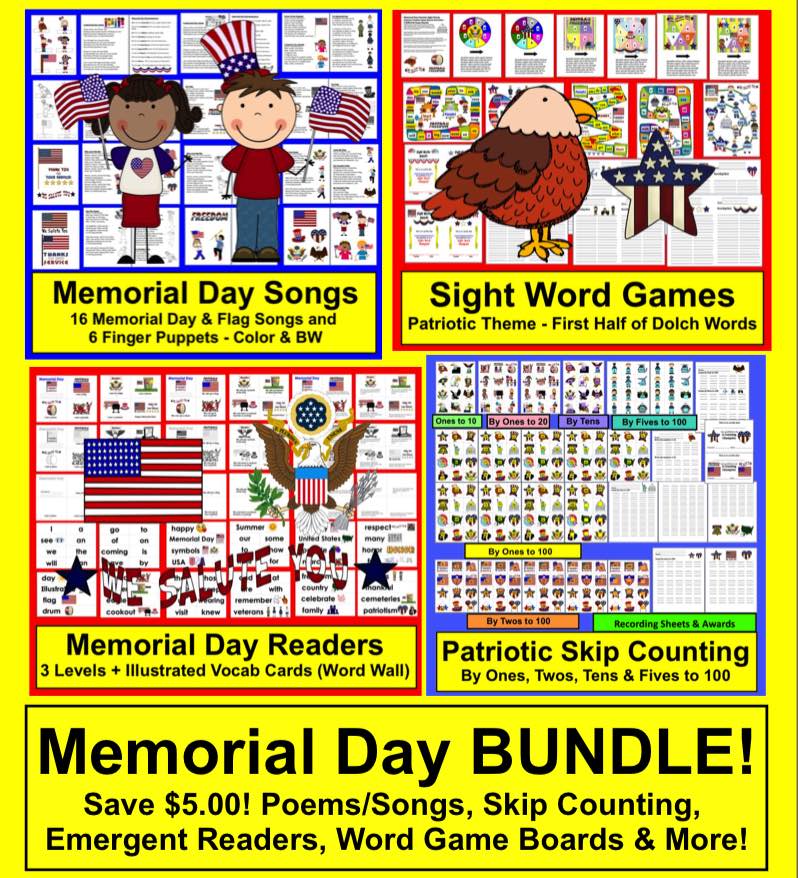
K/1 Memorial Day Learning Activities…

PatrioticBlog:Pinterest

Save $5.00 on this K/1 Memorial Day Bundle Value…

https://www.teacherspayteachers.com/Product/Memorial-Day-695197

MemorialDayBundleTN1NEWbestbest

Thank You:

Linda Post: The Teacher’s Post

https://www.teacherspayteachers.com/Store/Linda-Post-The-Teachers-Post


Keeping Students Learning All Summer

 photo Summer slide_zpsv4rcg9nl.png

Preventing the summer slide is such a big issue  for teachers and schools. Personally I hate sitting down with parents at beginning of the year conferences and informing them that their child has a lower reading level at the start of the year than they had at the end of the previous school year.

When I was first asked about how teachers can keep kids learning all summer, I thought… adopt? After all, children spend their summers away from us, and out of our control unless they are our own. Thinking about it a bit more though, honestly the answer is to adopt, but not the children, adopt the parents. Adopting the parents means cultivating an excellent relationship with the parents of your students, and making yourself available to them at any time. How far you go with this depends on your personal comfort level. At the start of every school year I create a private blog for parents and I to communicate on, hand out my school email, and personal cell phone number to parents. I send postcard though the mail, make regular phone calls, and even do home visits. When the school year ends I still have parents checking in on our class blog, sending me texts from vacation, and email asking for how to help their child over the summer.

It is not too late though, to increase parent communication and prevent the summer slide. Check out my top 10 tips below which will all be on my classroom blog, but can be sent one in a newsletter at the end of the year. Read on


FREE MISC. LESSON – End of the Year Alpha-Numeric Codes

“Have a safe summer”, “See you next year”, “Don’t forget to practice your multiplication tables!”  These along with many goodbye hugs are the send-off messages teachers and principals use on the last day of school.  By the time children are in the third grade, they can easily finish these farewell messages for you.

Students LOVE solving alpha-numeric codes!  My latest FREEBIE combines end-of-the-year expressions with alpha-numeric codes.  These can be used with grades first through third.

end of the school year expressions

End of the School Year Messages

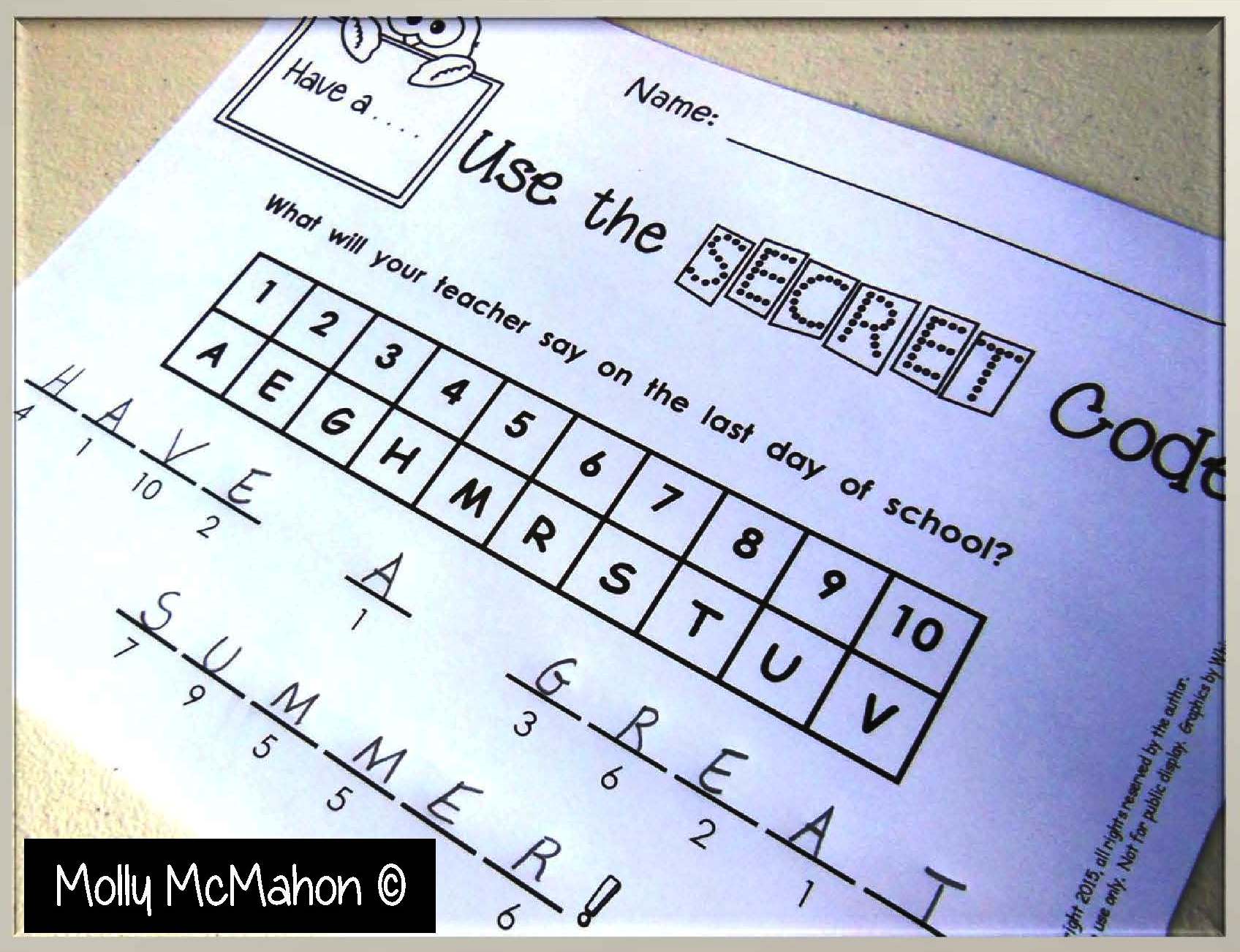
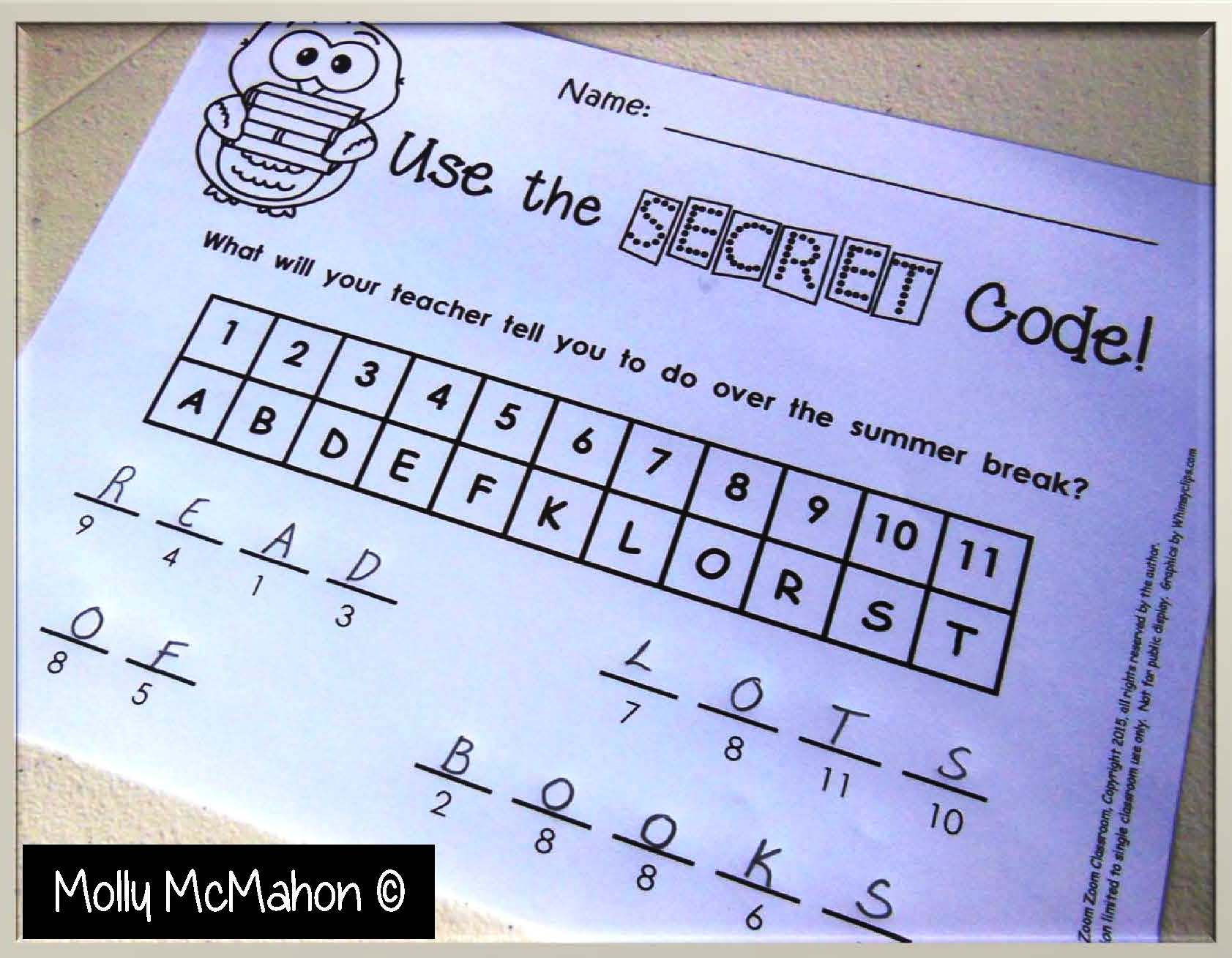
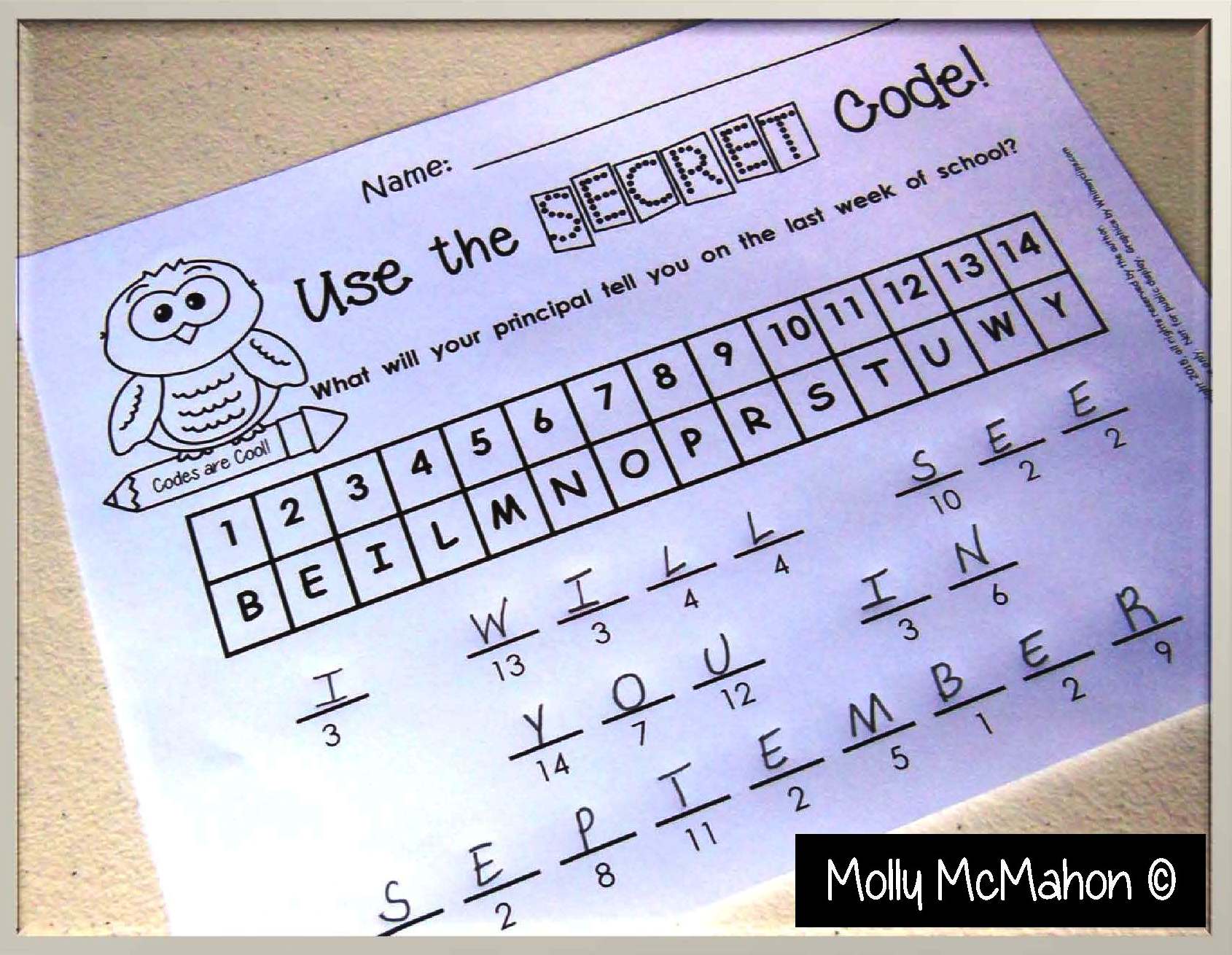
Here’s how it works.  Students are given an alpha-numeric key.  The letters from the year-end message are included in the key.  A letter is used once in the key regardless of how many times it is used within the message.  Then, the letters are assigned numerals.  One numeral is positioned above each letter.

end of the school year activities

Read Lots of Books!

Blank lines are printed below the key.  There is one blank line for every letter within the message.  Blank lines are grouped together to spell one word.  Space is placed between groups of blank lines to separate words.

alphabet-numeral codes

Last Day of School Send-off Messages

Students use the alpha-numeric key to find and write the appropriate letters in the blanks.

end-of-the-school-year-activity

An End-of-the-Year Message!

The finished work reveals the end of the year message which the children can then read!

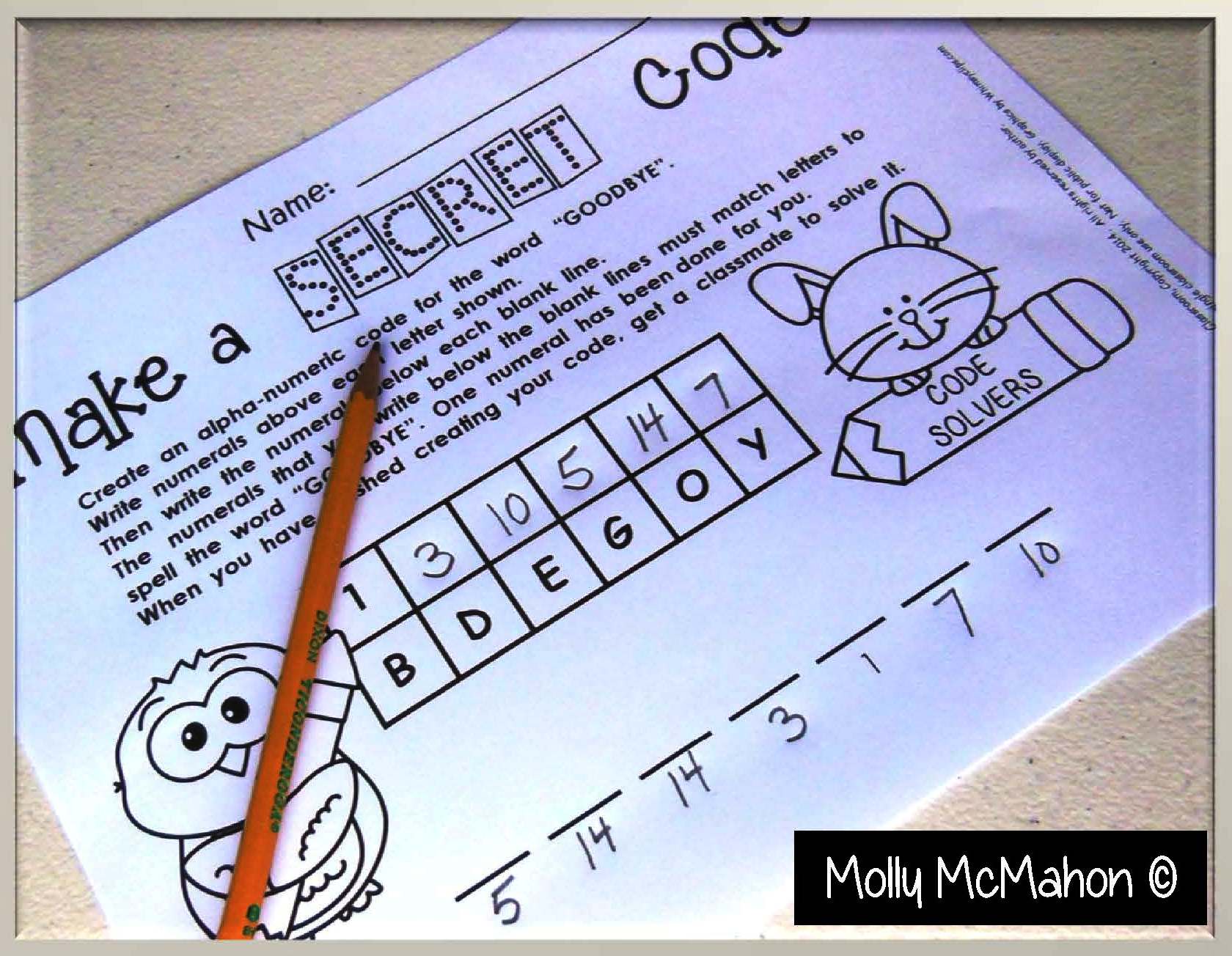
We want our students’ activities to be rich and meaningful.  In order for alpha-numeric decoding activities to transcend to that level, we MUST provide students with the opportunity to CREATE their own codes!  Otherwise, it’s just a fun activity without causing higher order thinking to take place.  Included with this freebie is a page where students finish writing the numerals above the designated letters.  The numerals can be written in random order or a number pattern such as skip counting could be used.  Then, they write the numerals below the blanks to create the coded message.  They trade papers with a classmate and solve the message.

make your own code

Finish the Code and Plot the Message

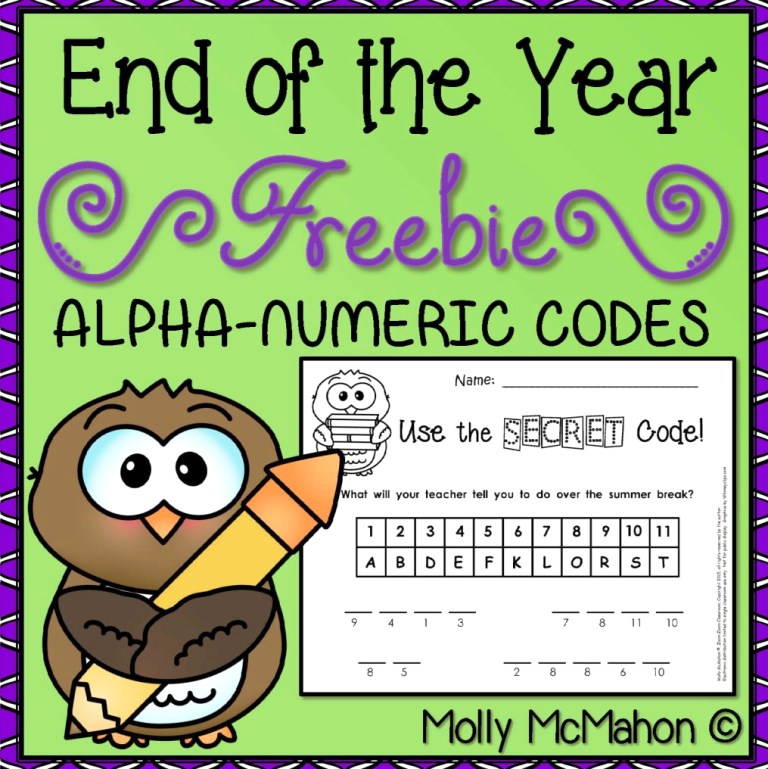
Get your FREEBIE by clicking on the image shown below:

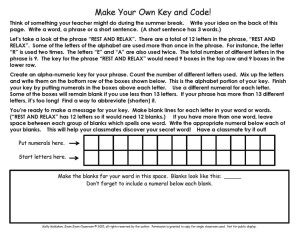
end-of-yearIf you have students that are ready for the challenge of creating a coded message with little on no support, you can also grab the page shown below.  It will provide students with detailed directions on how to create a coded message.  Due to the level of difficulty, this page is not included in the file above.  If you have advanced students that are gifted in this area, they will eat this up!

end-of-year

Make a Coded Message

Post created by Molly McMahon, Lessons by Molly

 Lessons by Molly’s Teachers Pay Teachers Shop

Lessons by Molly’s Blog


Sight Words Hide and Seek BUNDLE

Sight Words Hide and Seek BUNDLE

Sight Words Hide and Seek BUNDLE

You can view this FUN resource HERE!

Purchasing the bundle saves you 12% off of the total of all 4 sets.

You can find individual sets with previews at the links below:
Sight Words Hide & Seek (Set 1)
Sight Words Hide & Seek (Set 2)
Sight Words Hide & Seek (Set 3)
Sight Words Hide & Seek (Set 4)

This 100 page bundle includes sets 1, 2, 3, and 4. Each set includes a page for each of 25 high frequency sight words listed below. Students are given directions to write each word, color the sight word a particular color, and write a sentence with each word. Students are to make it a game of “hide and seek” as they look to find (tag) the directed sight word on each page. The sight words on each page are randomly placed for finding and coloring.
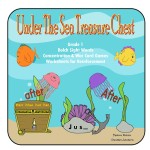
The sight words included in each set are below.

Set 1:
the, of, and, a, to, in, is, you, that, it, he, was, for, on, are, as, with, his, they, I, at, be, this, have, and from

Set 2:
or, one, had, by, words, but, not, what, all, were, we, when, your, can, said, there, use, an, each, which, she, do, how, their, and if

Set 3:
will, up, other, about, out, many, then, them, these, so, some, her, would, make, like, him, into, time, has, look, two, more, write, go, and see

Set 4:
number, no, way, could, people, my, than, first, water, been, called, who, oil, sit, now, find, long, down, day, did, get, come, made, may, and part

These sight word hide and seek activities can be used for introducing sight words, reviewing sight words, homework, morning work, interventions (RTI), literacy centers, and much more.

To add more skills and to include different levels of activities, students can flip to the back side of their paper and write more sentences with each word.

I hope your students enjoy this game of hide and seek as they learn to recognize sight words.

You may also like:
Sight Word Practice (Sets 1, 2, & 3) (77 Sight Words)
Sight Word Practice (Set 1) (Common Core)
Sight Word Practice (Set 2) (Common Core)
Sight Word Practice (Set 3) (Common Core)

Please visit me at:
BLOG
FACEBOOK PAGE
PINTEREST
TPT STORE

Thanks!
Sherry Clements


How To Make Effective Collaborative Groups

By Deann Marin at The Best of Teacher Entrepreneurs

Offering for Educators, Comprehensive Teaching Aides. If you’d like to see what else I have to offer please visit my store.


I found that having children work in small collaborative groups made learning fun for both myself and the class. Interpersonal development is essential for students as they need to learn how to relate to each other in a positive way, small group activities allow them to do this effectively.Working in Groups 8x8 cover


Group Structure: As I approach the new school year and get ready for my class, I look at last year’s  teacher’s recommendations to help figure out levels, once that is done, I make groups with one high level child, two with average ability and one lower level child. I also try to have 2 boys and 2 girls in each group. That way there is diversity in abilities and they can all help each other. I found that the best arrangement for groups is no more than 4 so if I have 25 students I will make 6 groups of 4 and one with 5.  Each group remains the same for one semester, and then we rotate. We would change groups 4 times throughout the year since we had 4 semesters. I liked having them work together for at least two months, getting to know each other, cooperating and allowing each child a chance to be heard.  Of course there are always one or two kids that have a hard time working with others.  If that occurs, you might pull them from the group and have them work on their own, esp if they are disruptive, until they can prove that they are able to work within a group. Setting up the rotations takes a bit of  work since you don’t want to have the same kids in the group more than once.  *See diagram.  

Participation:  Each child in the group has a particular job to do: leader, complimenter, secretary, person to pass things out, person to clean up, presenter, etc. Make sure that you let them know exactly what is expected of them.  Depending on the lesson, we play the pencil game, one person holds a pencil and it is their turn to do the talking, when they are done the pencil is passed to the next child, and so on. Everyone has a turn.  Sometimes they will write a  group  report and to make sure that everyone contributes, they have to initial the part that they have written. 

Working in Groups names

Visit Socrates Lantern’s Personal Blog

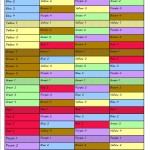
Since it is important to put 1 high level, 1 low level, and 2 average students in each group, you might want to assign them a color and a number. For example: Jane is a bright student, assign her blue 1: Kathy really struggles, assign her blue 4; John and Adam are average students, they would be assigned blue 2 and 3.  When you do each rotation, you would need to make sure that they are with different classmates and labeled accordingly.  Keep the number code to yourself, the class should know their color code.

Classroom Set up

Visit my Pinterest page

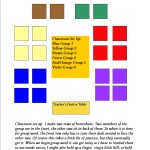
Classroom set up:  I make two rows of horseshoes. Two members of the group are in front, the other two sit in back of them.  So when it is time for group work, the front row only has to turn their desk around to face the other two. Of course, this takes a bit of practice, but they eventually get it.  When we begin group work, it can become noisy, so I have to remind them to use inside voices, I might hold up a finger, ring a bell, or hold up a QUIET sign. You can also reward the quietest group with something that they would like.  Since it is important to put high level, 1 low level and 2 average students in each group, you might want to assign them a color and a number.  For example: Jane is a bright student, assign her blue 1; Kathy really struggles, assign her blue 4, John and Adam are average students, they would be assigned blue 2 and 3. When you do each rotation, you would need to make sure that they are with different classmates and labeled accordingly. Keep the number code to yourself, the class should know their color code.


            If you’d like to see a complete lesson using this technique please see my bundle, What is it Like to be an Archaeologist? 

What is it like to be an Archaeologist 8x8 cover

Please visit Socrates Lantern’s Tpt store


This post is part of a blog hop called Sharing is caring. Please take a look at these awesome blogs from some amazing educators.

A great group of educators

1. DIY Farmwife: Kids Can Collaborate! Here’s How

2. Heart 2 Heart Teaching: Role Playing in Groupwork

3. RCL: Collaborative Groups That Work

4. Socrates Lantern: How to Make Effective Collaborative Groups


Please Visit Socrates Lantern’s Social Media Sites